The Ruth Kahn Family Collection
Community advocacy, Dallas mercantile royalty, world travel, and strong family bonds.
The finding aid for the Ruth Kahn Family Collection can be found here.
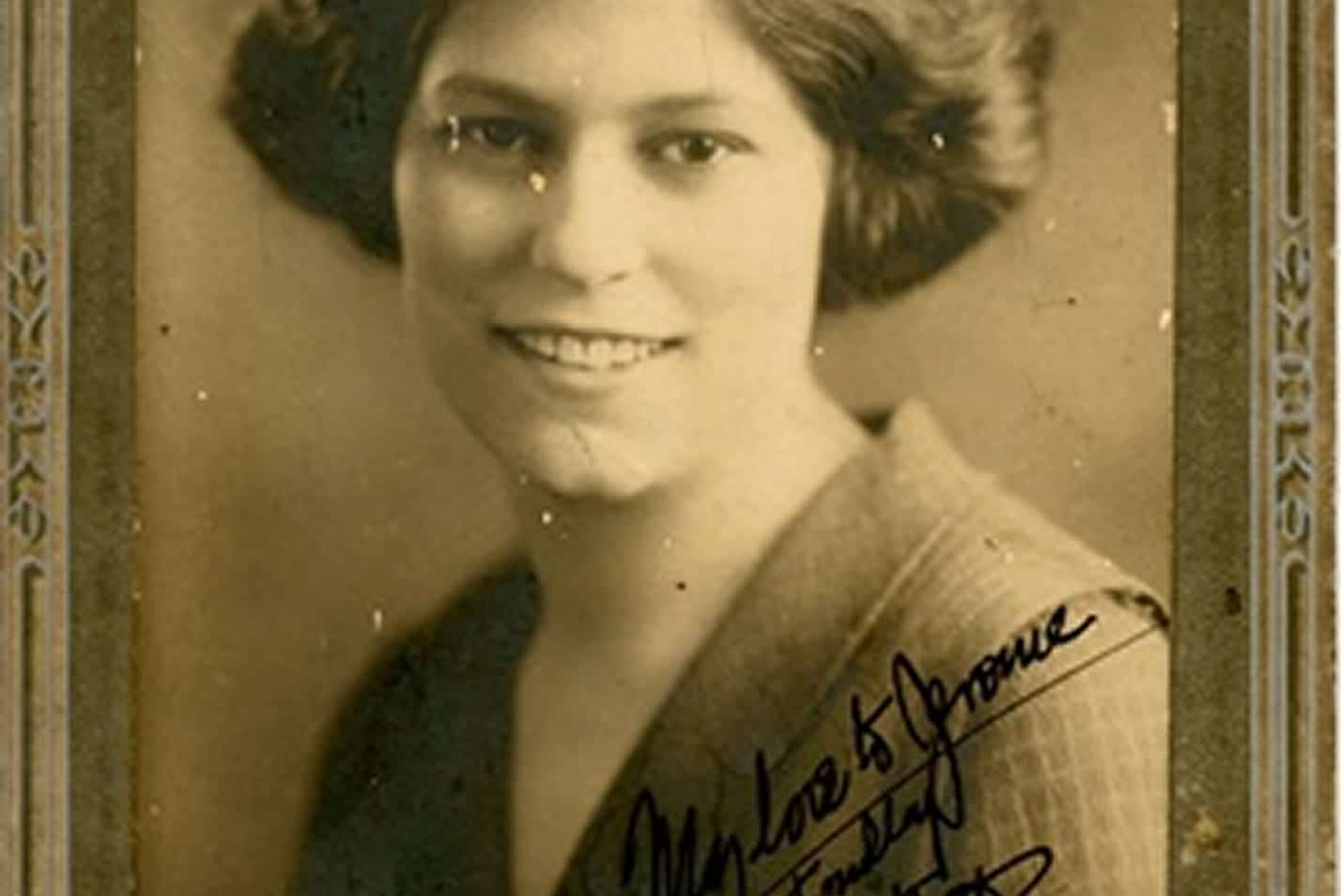
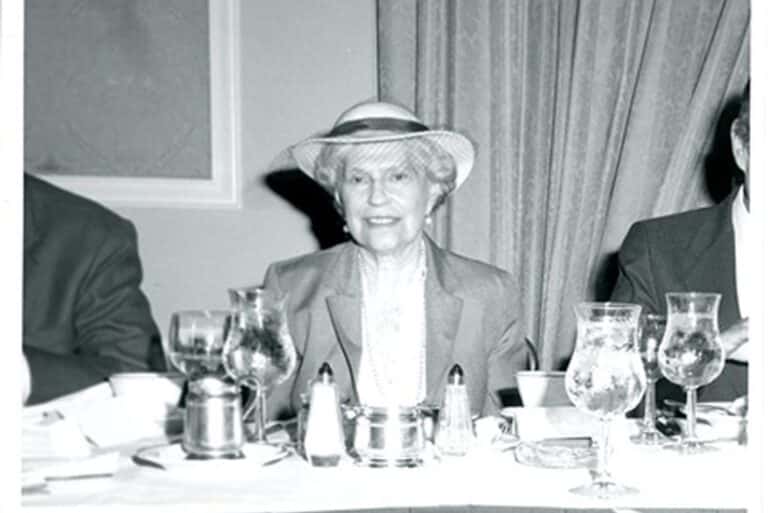
Ruth Kahn did a lot with her life. When going through the Ruth Kahn Collection you’ll find very inspiring and remarkable things about Ruth. Her career was filled with many deeds that achieved great feats. Ruth’s life is one that was filled with many accomplishments. Seeing what she did with her life can compel you to do more for your own community. She helped through small and grand gestures— whether attending board meetings for the National Council of Jewish Women or bringing refugees from Germany to the United States.
Ruth was known to be a very strong and eccentric woman. She was an influential advocate of the Jewish community and made sure that she did as much as she could for Jews. Ruth was incredibly passionate about the work she did for Jewish people everywhere, to which she was deeply connected for the entirety of her career and into retirement. Her career consisted of mostly volunteer work. From her time in college to about the late 1980s, she was involved with helping the Jewish community.
Ruth’s parents were Phillip Brown and Josie Mayer Brown. Ruth’s mother and father met and married in St. Louis, Missouri in 1901, prior to settling in Oklahoma. Phillip had originally come from Hungary. Then around the age of 16, he ran away to New York. When first coming to New York Phillip knew multiple languages but didn’t know English; luckily he learned that he had an uncle in New York, who helped him out during his time in the city. Phillip eventually went to Oklahoma when he had saved enough money and learned the language well enough to get by. Because Phillip spent some time in Texas when he was around 19, he saw himself as a Texan at the time. However, he did not end up settling in Texas, but rather stayed in Oklahoma. In an interview, Ruth mentions that in Oklahoma, her father was a store owner in Eufaula and her mother helped out the community of Eufaula. While in high school, Ruth and her family moved to Muskogee. She then left home for college.
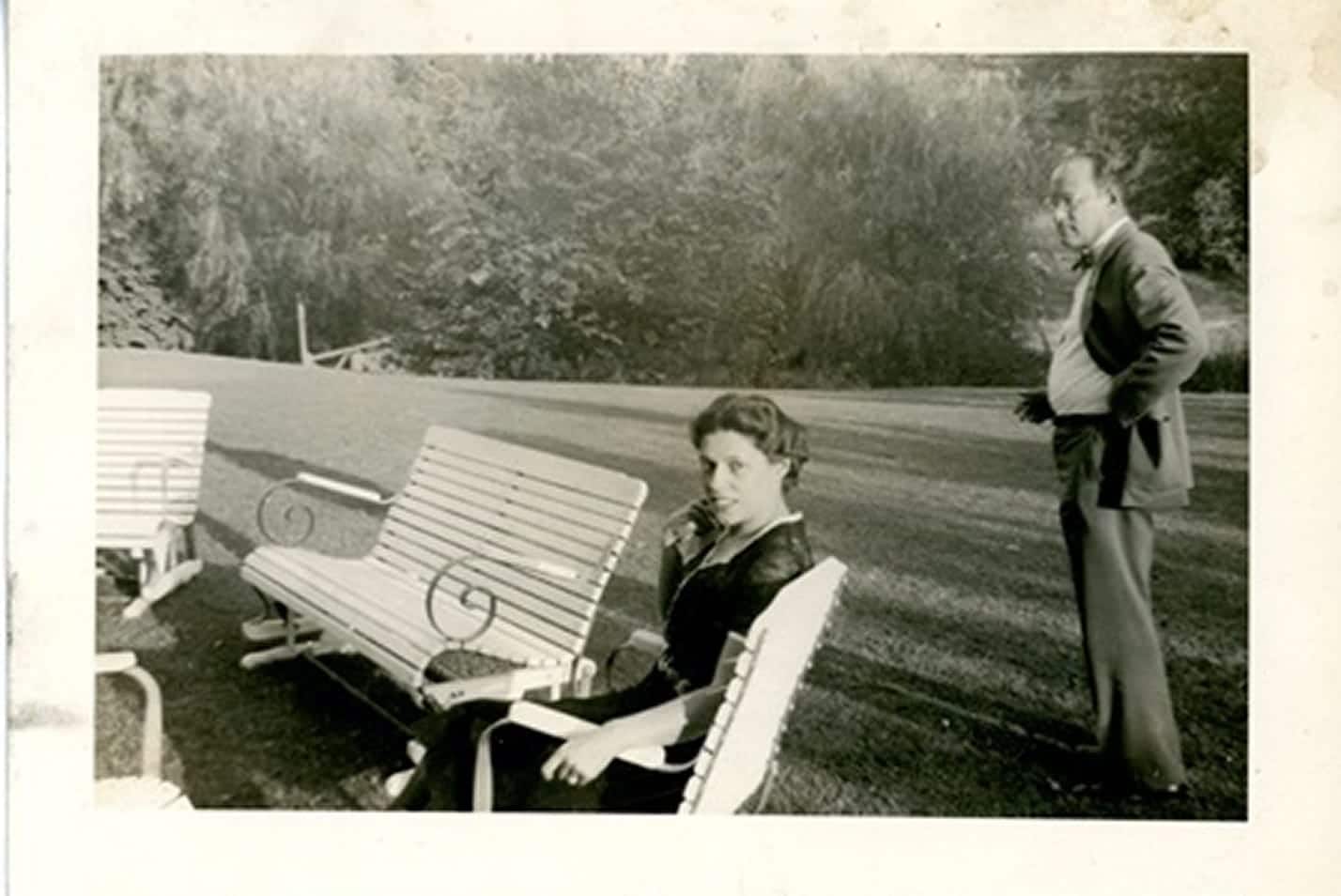
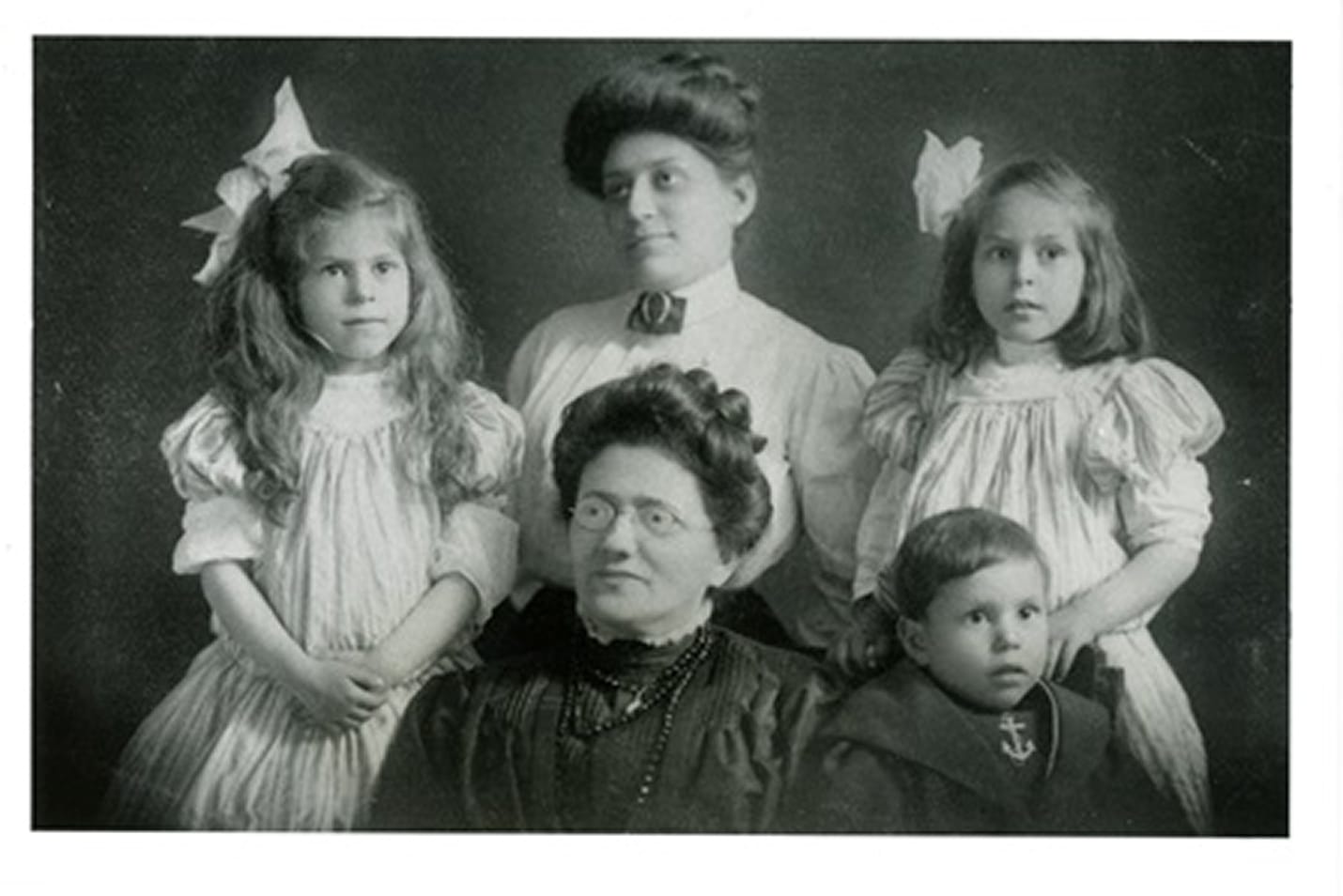
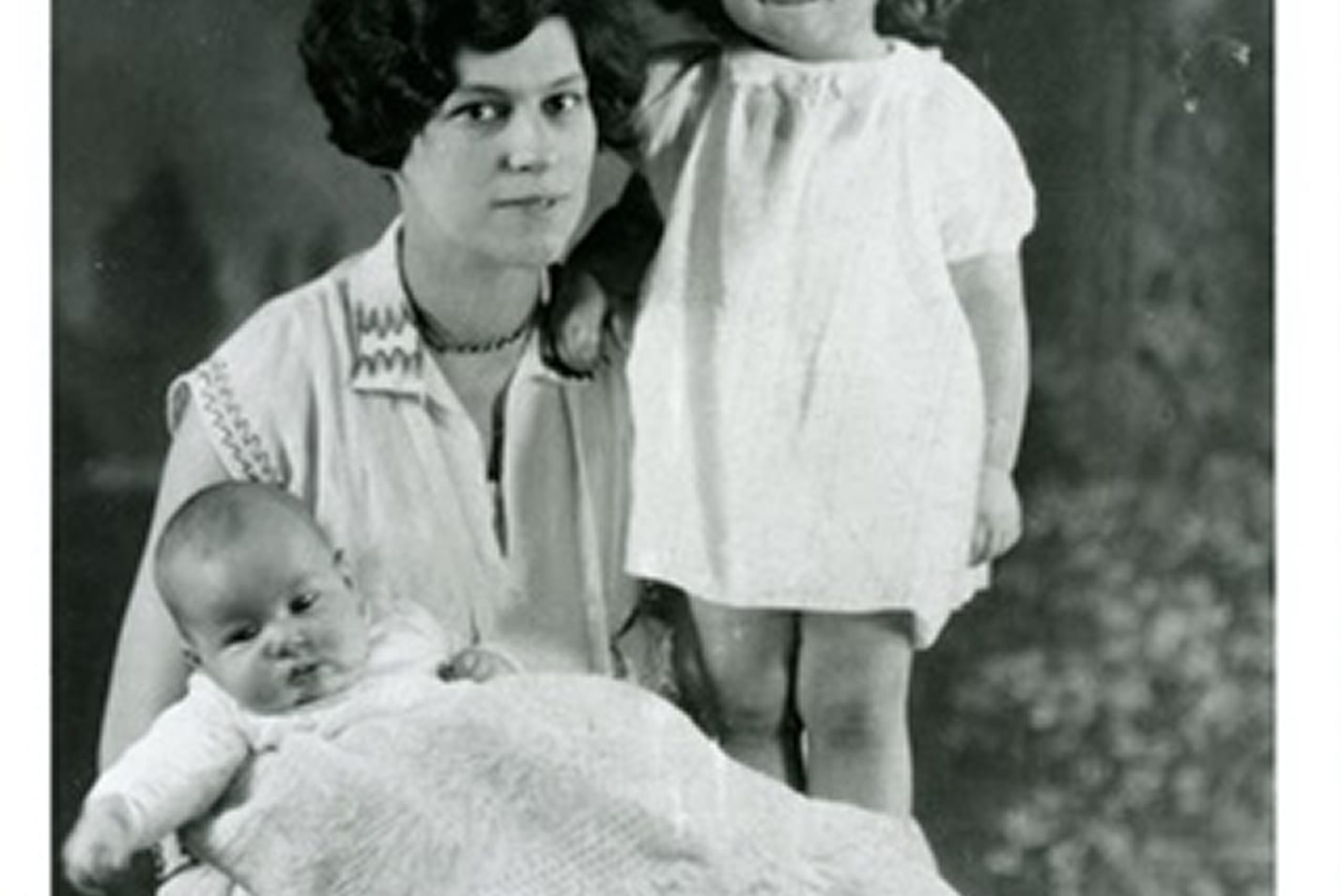
Ruth went to the University of Chicago even though she and her mother had agreed that she would go to a different college. The reason she went to the University of Chicago was because her friends in Chicago had convinced her to stay. During her time in college Ruth met her first husband Louis (pronounced Louie) Hexter. Ruth found the time to have a family while active in the Jewish community. Ruth married Louis Hexter in December, 1923. Louis and Ruth had two children together: Joan and Victor. Joan was the older sibling of the two – her married name was Joan Hexter Warshaw. Louis was known to not have been the best at making personal connections or getting close with people. However he was well versed in business affairs and helping immigrants as a lawyer; he also liked to break social norms and assist in repairing general problems with society. For example, he opened up a theater known as “The Little Negro Theater,” which was made up of solely black actors; Louis’ love of theater contributed to the idea of creating it. Ruth and Louis would divorce sometime in the early 1930s, an uncommon occurrence during that era. Eventually, Ruth married Laurence Kahn in 1936. Laurence Kahn was one of the most important people to Ruth and she was known to be very happy in her marriage with Laurence. However, the time they spent together was cut short due to Laurence’s death in 1947. She did not remarry.
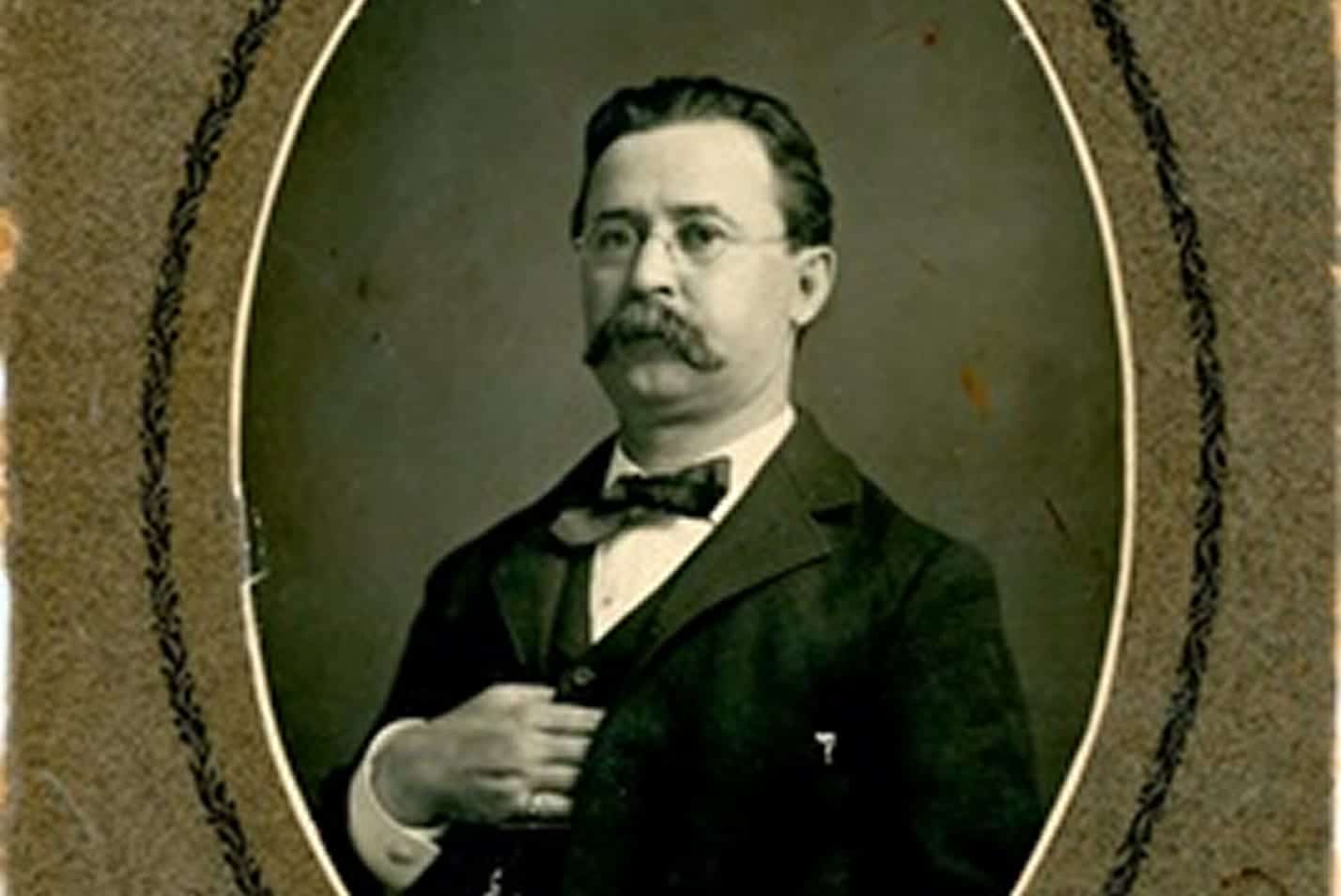
Laurence’s parents were Lilly and E.M. Kahn. He had quite a few siblings, one of them being Isadore S. Kahn. Like Ruth, Laurence did quite numerous things to help both the Jewish and secular communities of Dallas. Laurence donated to quite a few places around the 1930s. He would donate during the month of December to hospitals and homes for orphans and elderly, including The Salvation Army, Reynold’s Presbyterians Home and C.C. Young Memorial. Sometime in the 1920s E.M. Kahn passed away and left “E.M. Kahn and Co.” in Laurence’s hands. Laurence’s siblings had received their own share from Mr. Kahn’s will. A few years after E.M., Lilly also passed away.
In 1971, Ginger Jacobs and Ruth began working in tandem to preserve Dallas Jewish History with the formation of the Dallas Jewish Archives, once an arm of the Jewish Community Center. As a co-founder, Ruth was instrumental in the success and evolution of the organization, which became an independent nonprofit and was renamed as the Dallas Jewish Historical Society in 1980. The committee formed after Ginger Jacobs noticed that a considerable amount of the Jewish places and Jewish-owned businesses in South Dallas were being taken down and knew that if someone didn’t record those facts no one would ever know that Jews were prominent in Dallas.
In 1984, Ruth Kahn received the Eleanor Roosevelt Centennial Award. Earlier that year, she was also honored by other organizations such as the American Jewish Committee (AJC) and Anti-Defamation League (ADL). Ruth’s many honors make it clear that she did a lot for the Jewish community and Dallas as a whole. Though we can tell she did a good deal, the details of her work are loosely known. We do know that she helped to bring Jewish people from Europe to the United States post-World War II and continued to support refugees of the war.
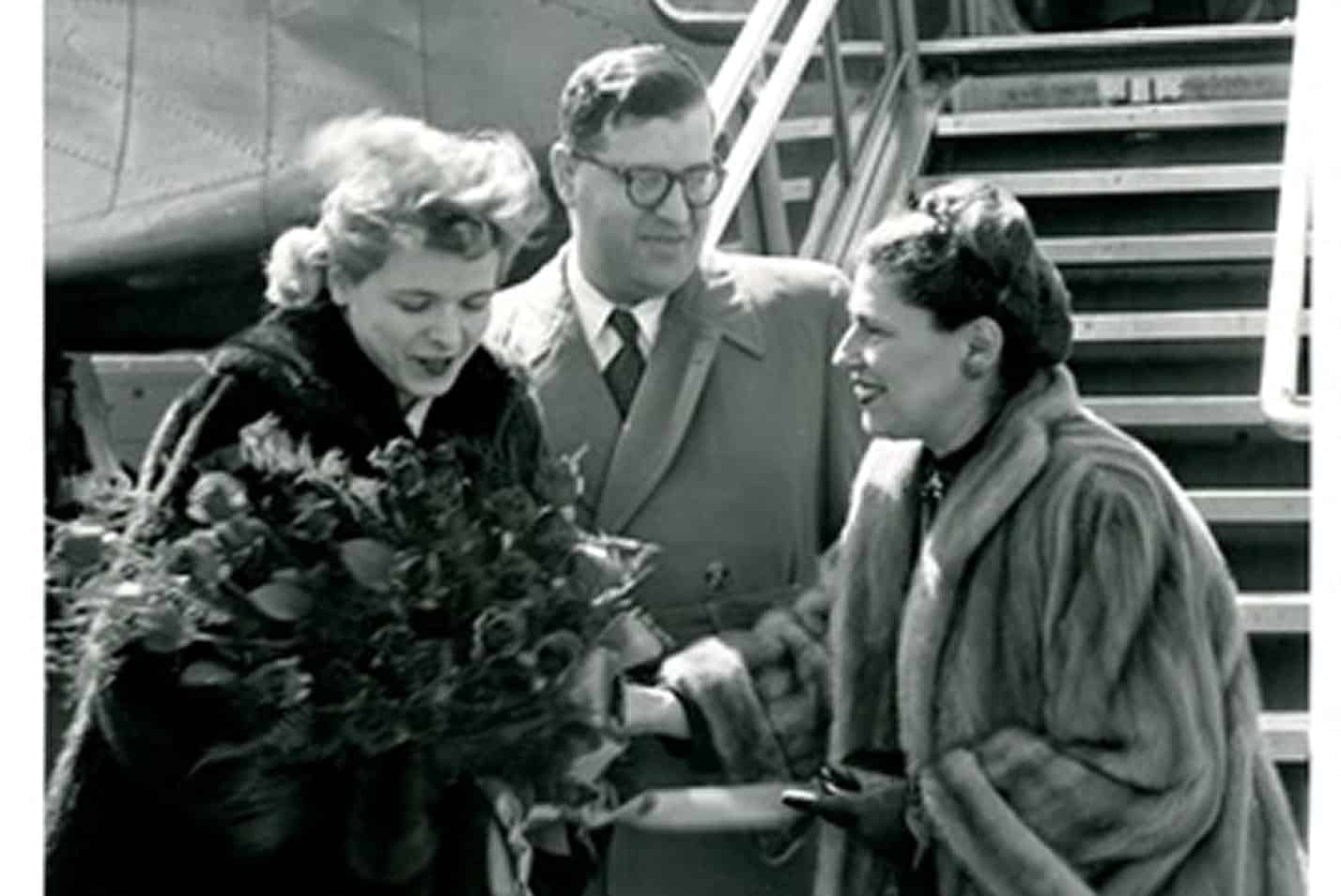
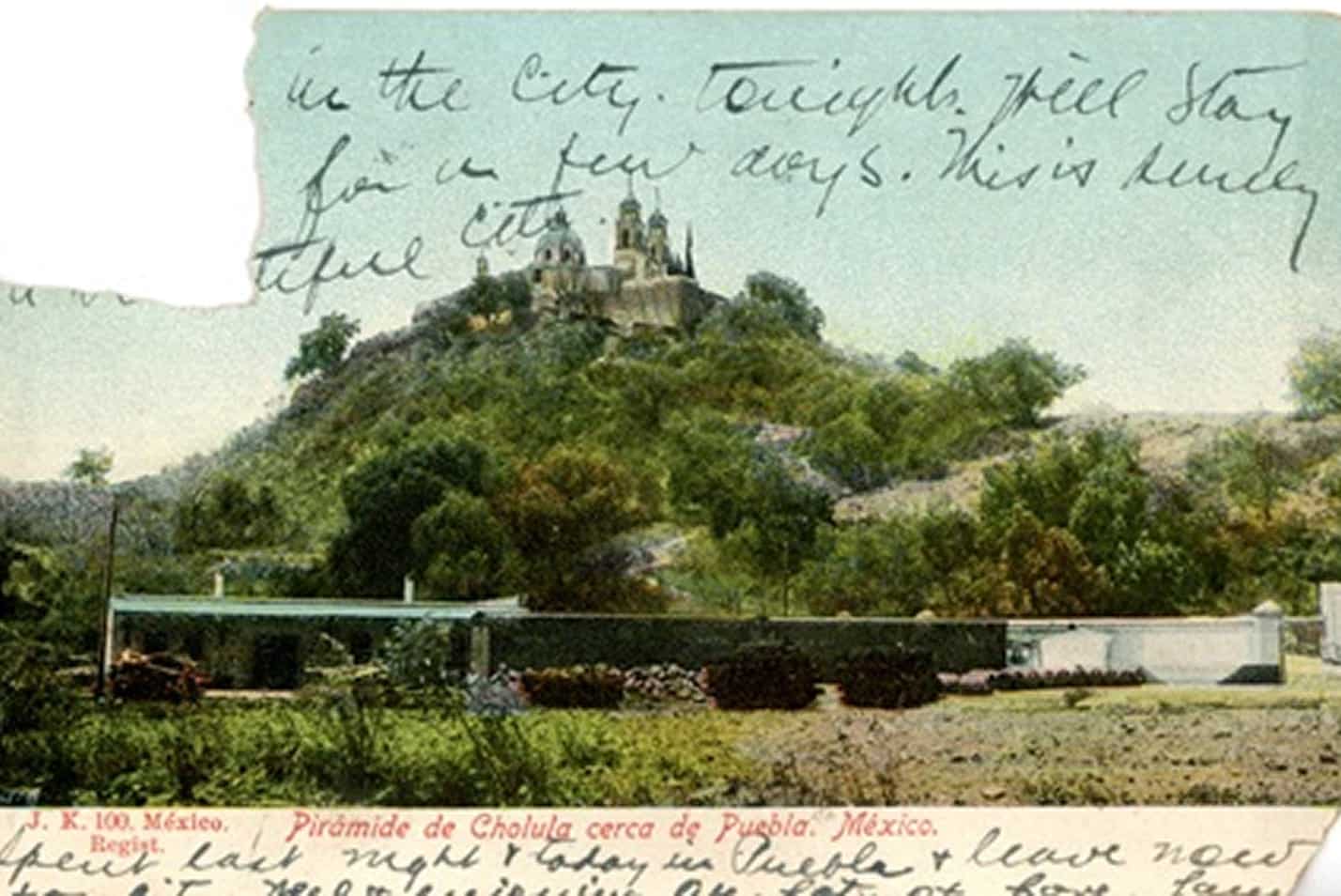
In conclusion, throughout the collection you can see and feel that Ruth didn’t put focus on herself, but rather her family and her community. The collection she donated to DJHS focuses especially on the Kahn side of her family, while many of her civic accomplishments are not present. Thankfully, other resources such as They Came to Stay, by Rose Biderman, Pioneer Jewish Texans, by Natalie Ornish, and the Texas State Historical Association help fill the gaps. Ruth was involved in, and contributed to the founding of several Jewish communal and civic organizations. She was an avid world traveller (for her personal pleasure, and to promote peace and Zionism) and was an accomplished homemaker and matriarch who instilled Jewish values, community-mindedness, a love for travel, and Zionism in her children and grandchildren. She did a lot with her life and it was impressive. Oral histories donated by Ruth’s grandchildren support what we’ve learned about Ruth through her family collection, as well.