Better Together: Fraternal Organizations Dallas Jews Believe In
Fraternal organizations that shaped community and connection in Jewish Dallas.
fra·ter·ni·ty
/frəˈtərnədē/
- A group of people sharing a common profession or interests
- The state or feeling of friendship and mutual support within a group
Fraternal organizations have long been associated with men. However, the terms “fraternity” or “fraternal” expand to also encompass co-ed and female-oriented groups.
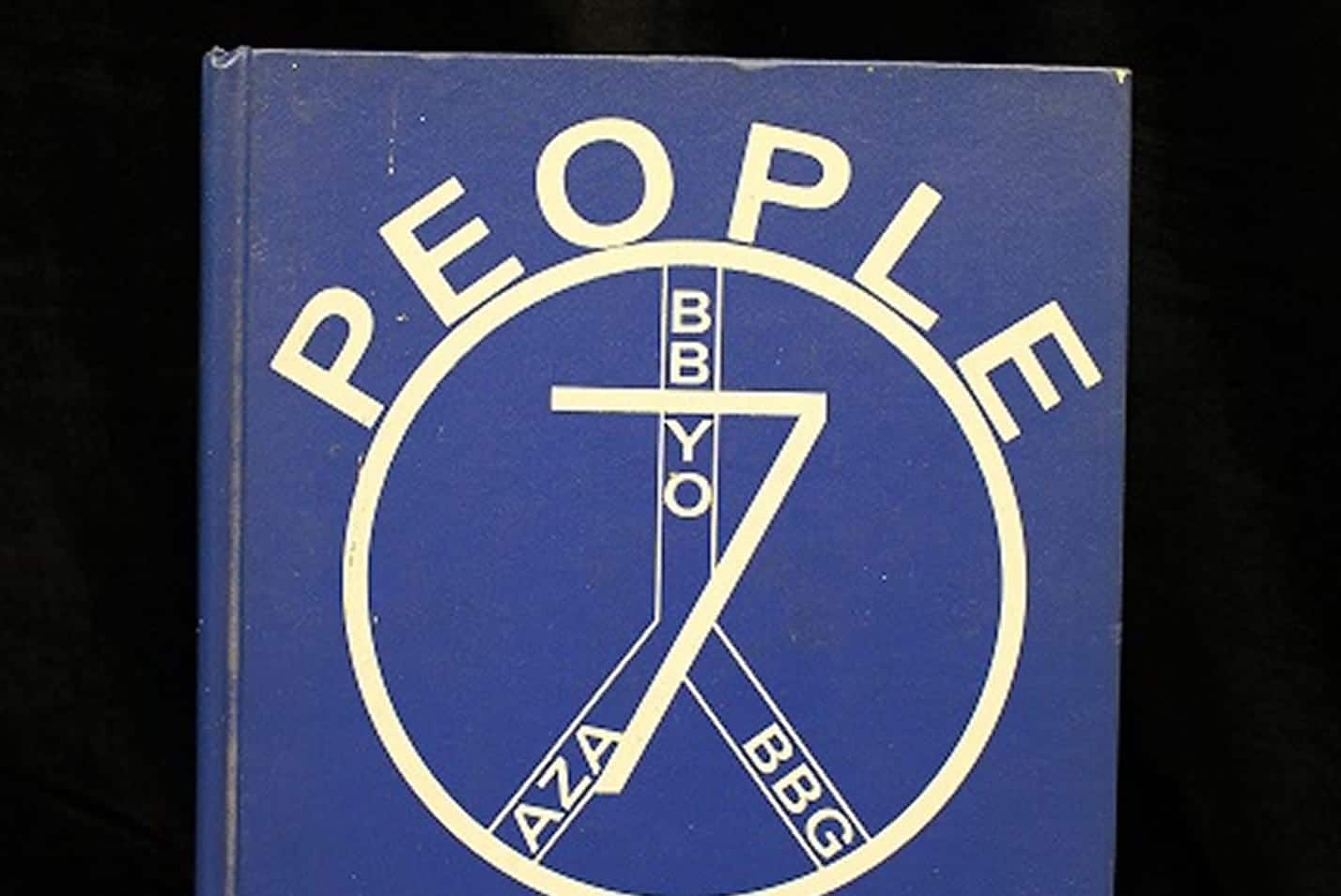
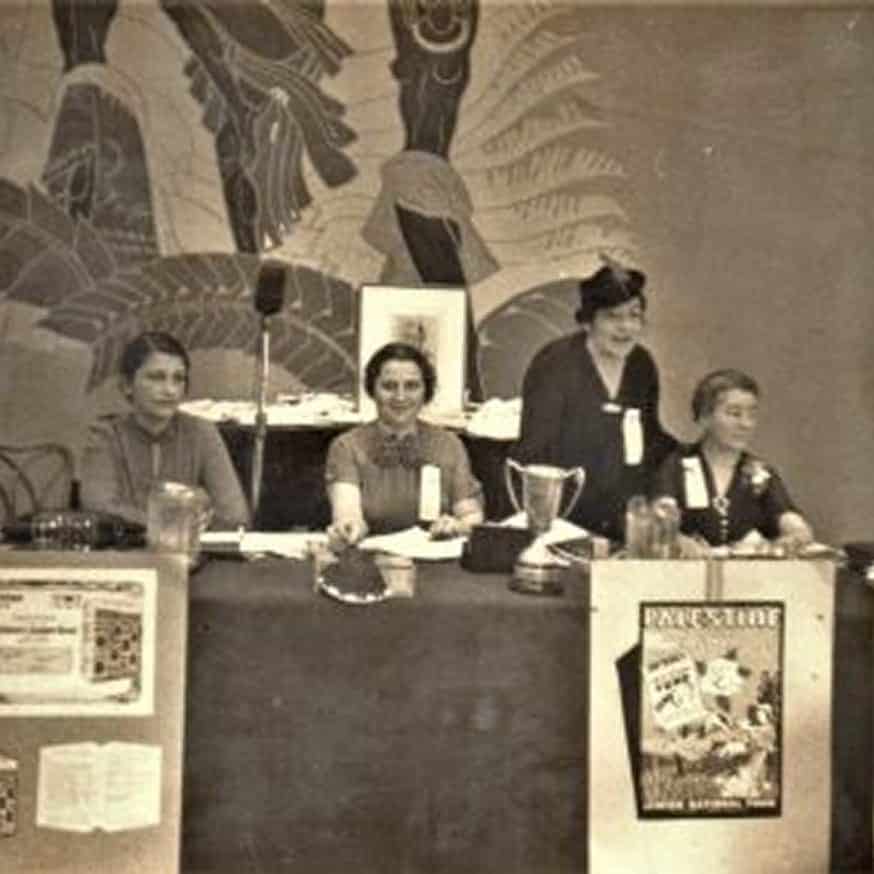
Highlighted in this display are a variety of organizations in which Dallas Jews have participated since the late 1800s. Through decades and generations, we see a common theme of involvement in organizations from childhood or adolescence through adulthood—from Girl or Boy Scouts, Young Judea, BBG/AZA, BBYO to B’nai B’rith Women (now Jewish Women’s International), Women’s ORT, Jonathan Club, Jewish War Veterans, TOO Club, Zionist Organization of America, or temple Brotherhoods and Sisterhoods—just to name a few examples.
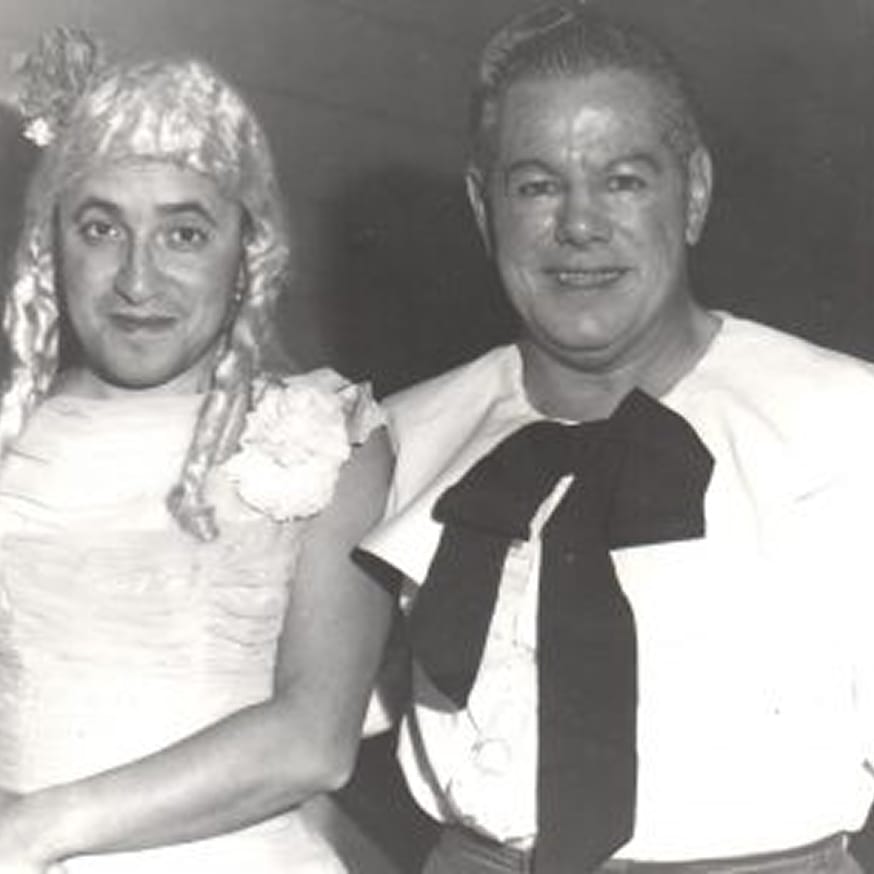
Organizations such as the Freemasons and Shriners, were not commonly joined by Jews. In most places they weren’t allowed in, much like Catholics, for fear they would reveal secrets to their rabbis or priests. As this began to change, more Jews were invited. However, we see participation amongst Dallas Jews—often men who were involved in multiple organizations—which suggests membership was also used as a networking tool.
Each fraternal organization fosters a unifying belief, purpose, or mission—often community oriented. The individuals who join them may share beliefs, interests, or goals (personal and/or professional). These organizations (see also: orders, societies, clubs, groups, etc.) are intended as a means of support, encouragement and cooperation among members and their greater communities. Sometimes organizations have a basis in religion or spirituality, but many are secular and civic-minded, such as Rotary Club, Kiwanis Club, Altrusa and others.
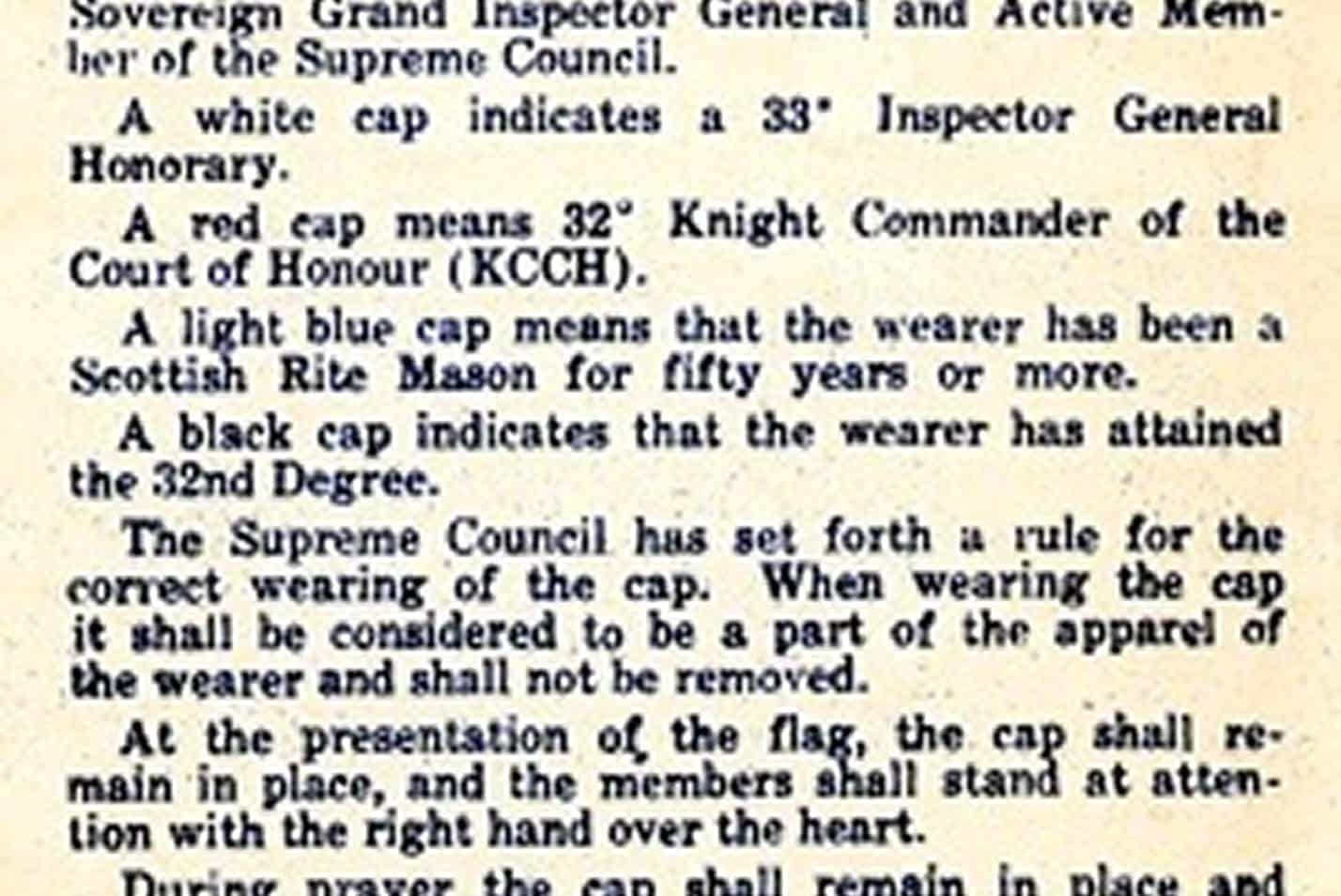
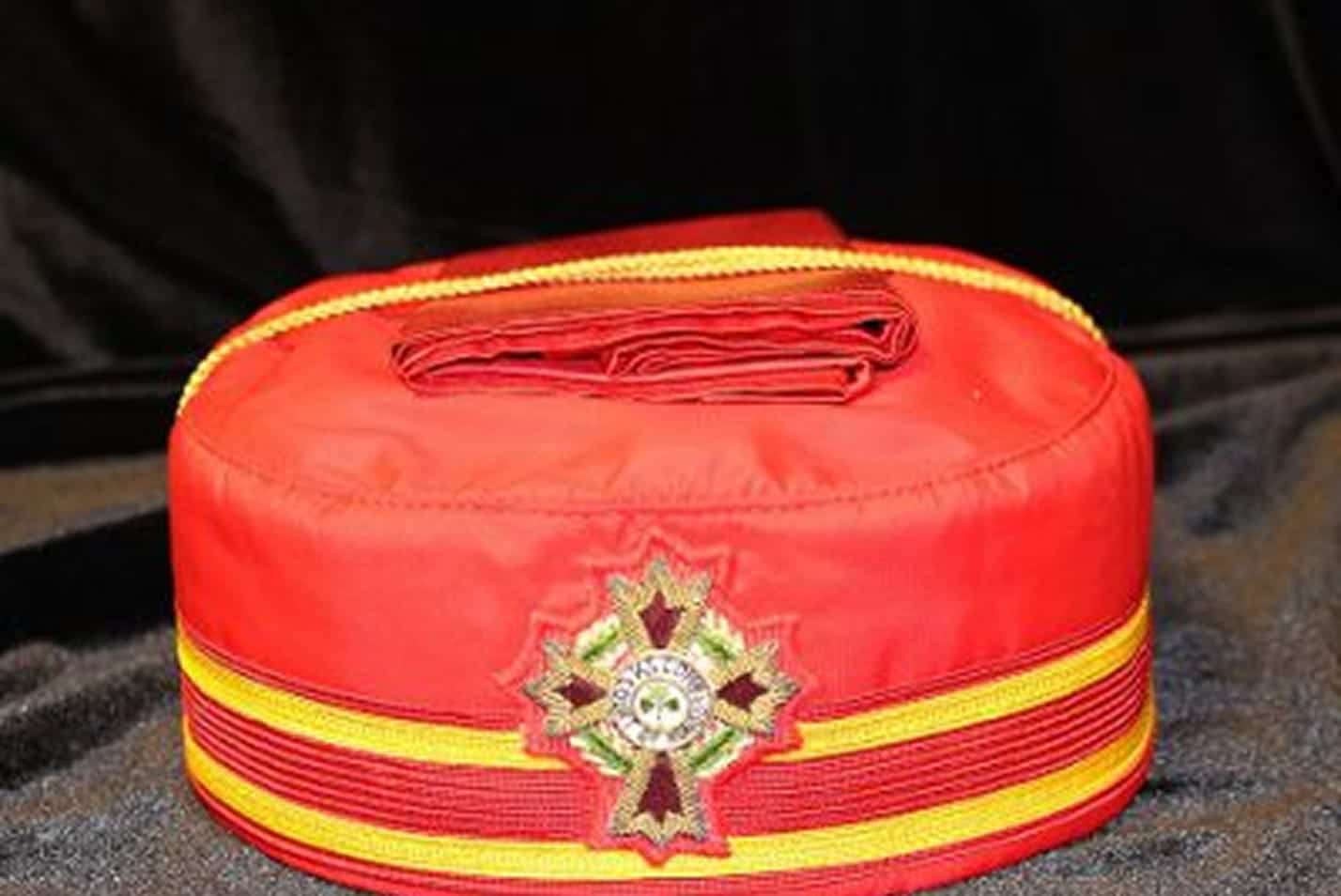
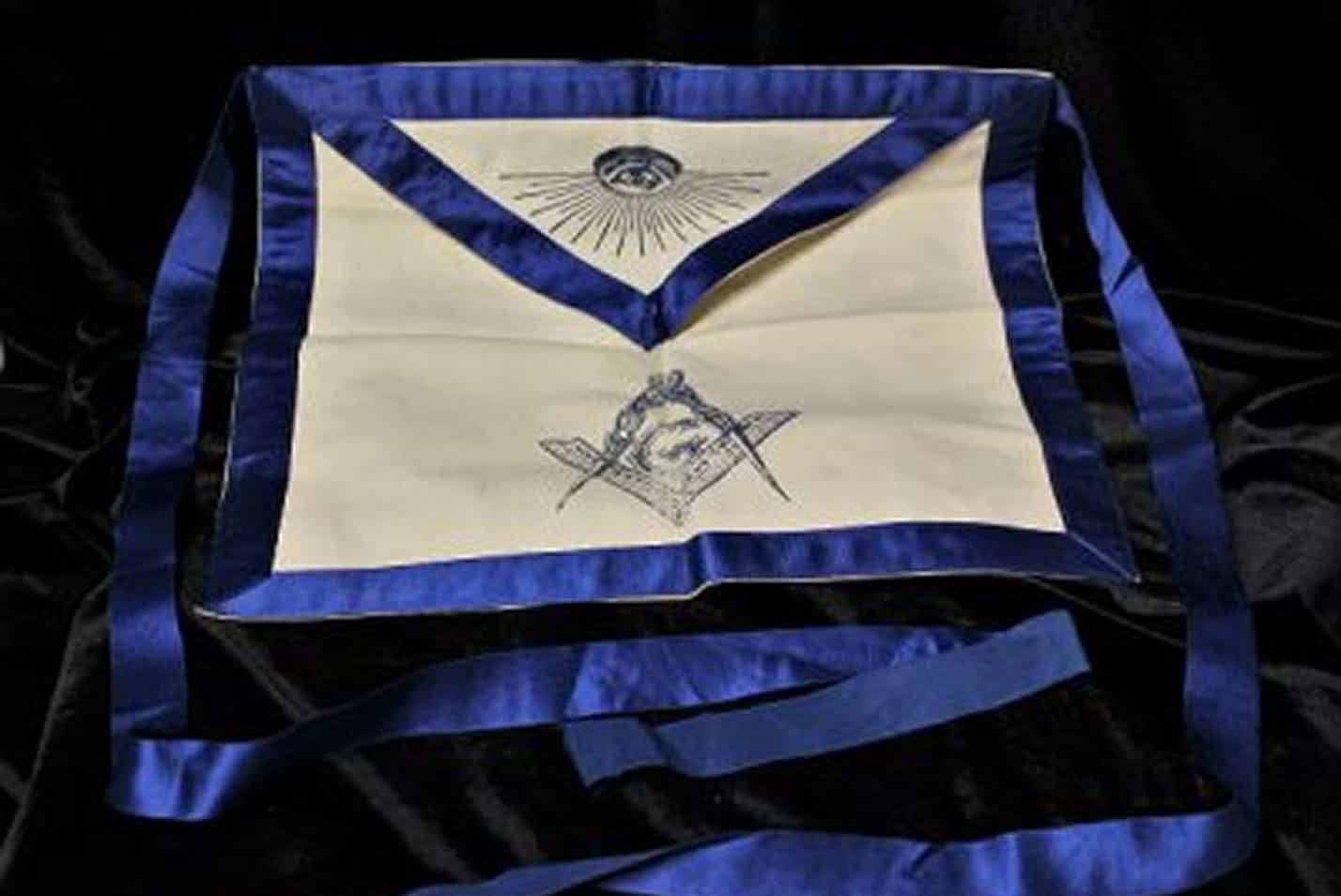
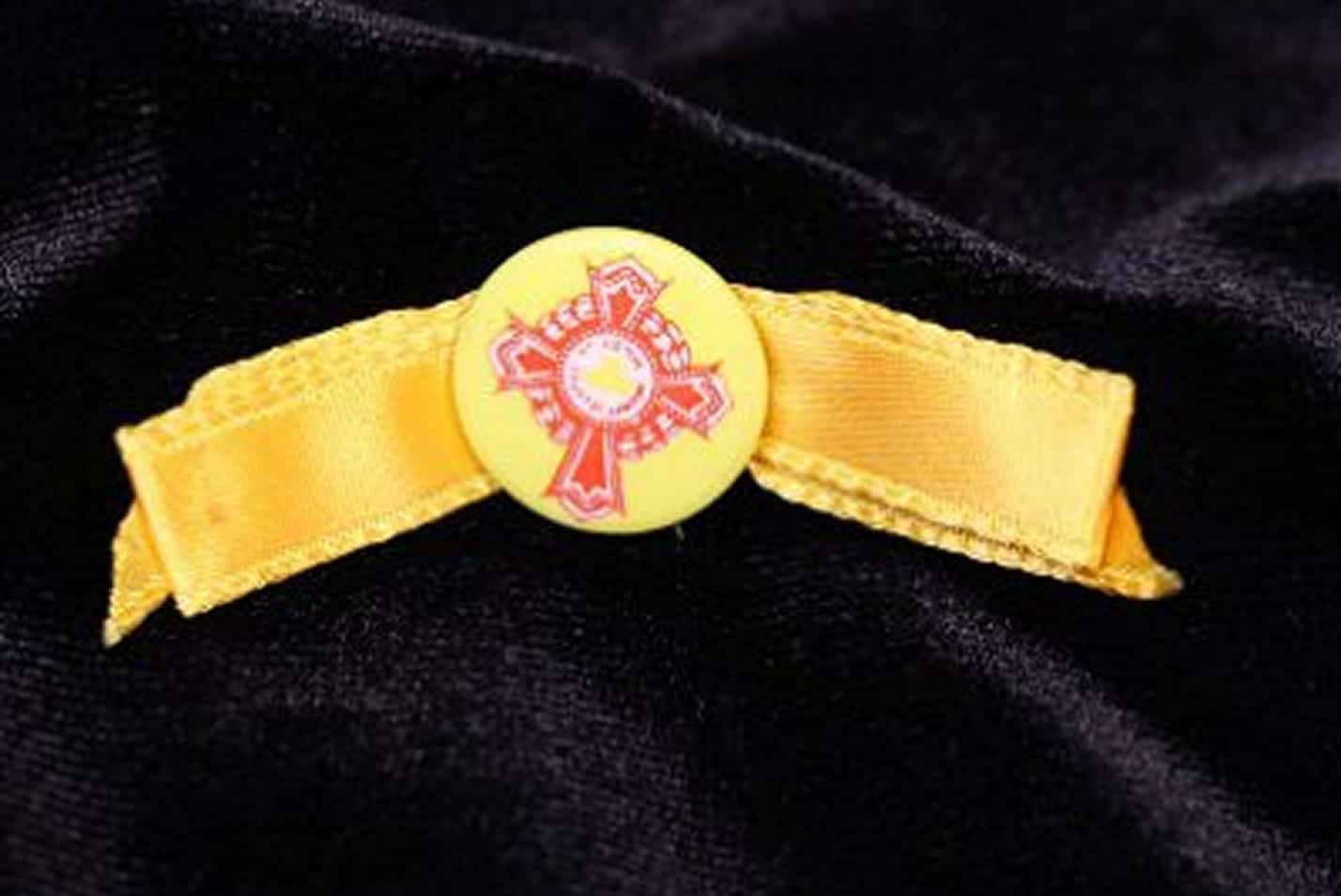
Uniforms or other embellishments may be worn to identify members and solidify commonality. Prime examples include hats and aprons worn by the Freemasons and Shriners, pins worn in BBG, or military hats, regalia, and other insignia worn in Jewish War Veterans. Others present certificates, awards, or medals for achieving a particular rank or for work that supports the community.
Though participation in certain fraternal organizations waned in the latter half of the 20th century, involvement and unification is still very much at the forefront of Jewish life in Dallas.
If you know of, or participated in, any organization—still thriving or not—and can add to our collection, please visit or contact our office. It is through community participation that we are able to accurately share and preserve the history of Jewish Dallas.
Order of the Eastern Star
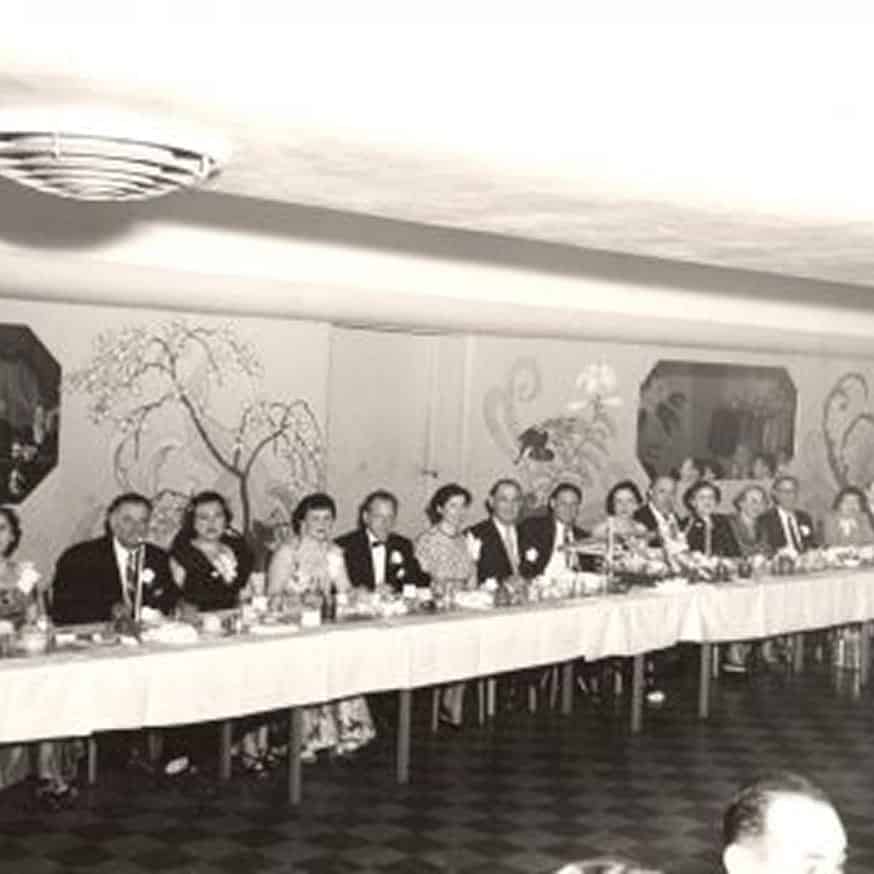
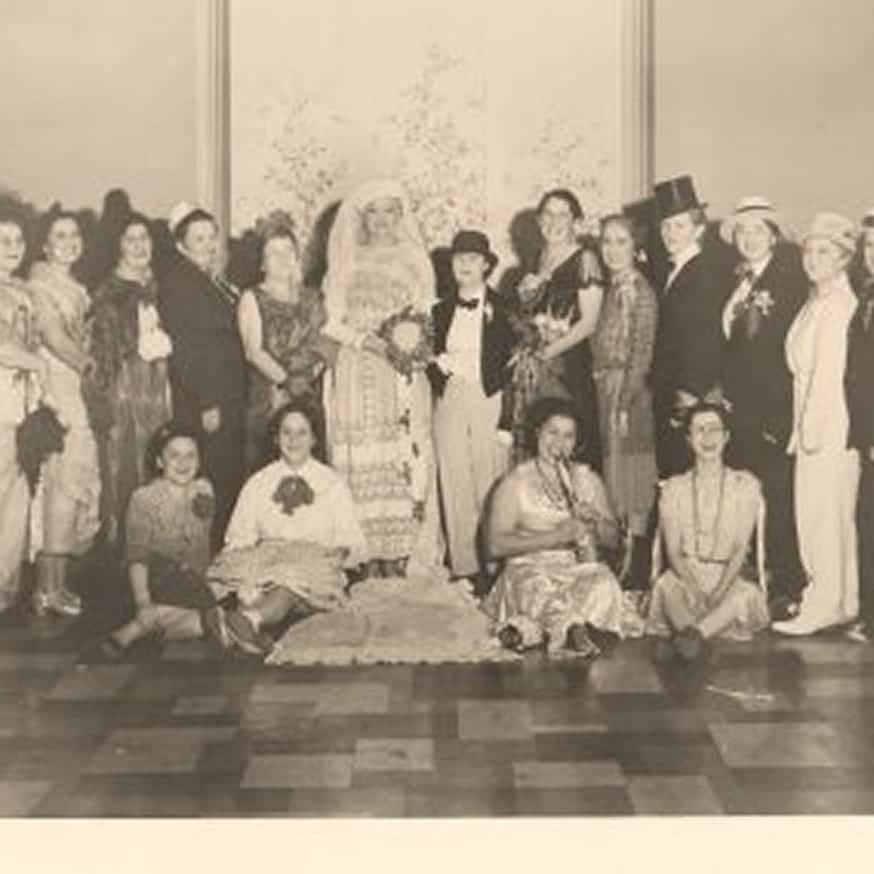
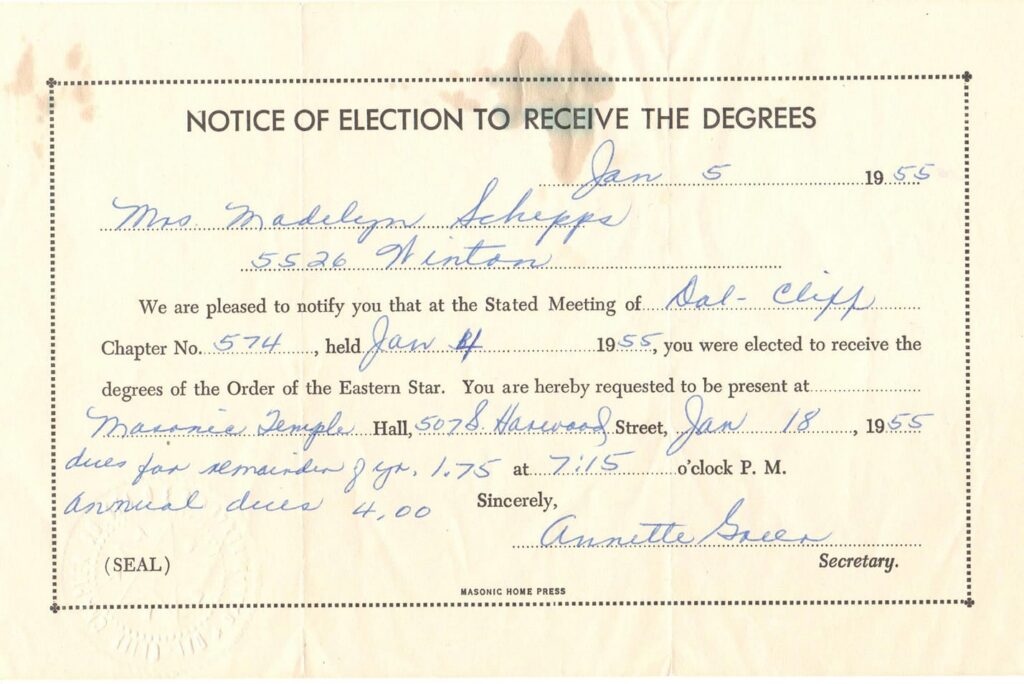
Created by Dr. Rob Morris, The Order of the Eastern Star was founded as a fraternity where female relatives, and relatives of Master Masons should benefit. “The Order of the Eastern Star is a Masonic-related fraternity of women and men dedicated to charity, truth and loving kindness. Although not a part of the Masonic fraternity, membership is based on a Masonic affiliation or relationship, a belief in God, and a desire to acquire additional knowledge and for self improvement” (Grand Chapter of Texas Order of the Eastern Star).
In 1867, the first Grand Chapter of the Order of the Eastern Star was organized in Michigan. The Order of the Eastern Star currently has the Texas Grand Chapter located in Arlington with multiple Chapters located around the state. With chapters located around the world, The Order of The Eastern Star is the largest Fraternal Organization with men and women memberships.
Order of the Rainbow for Girls
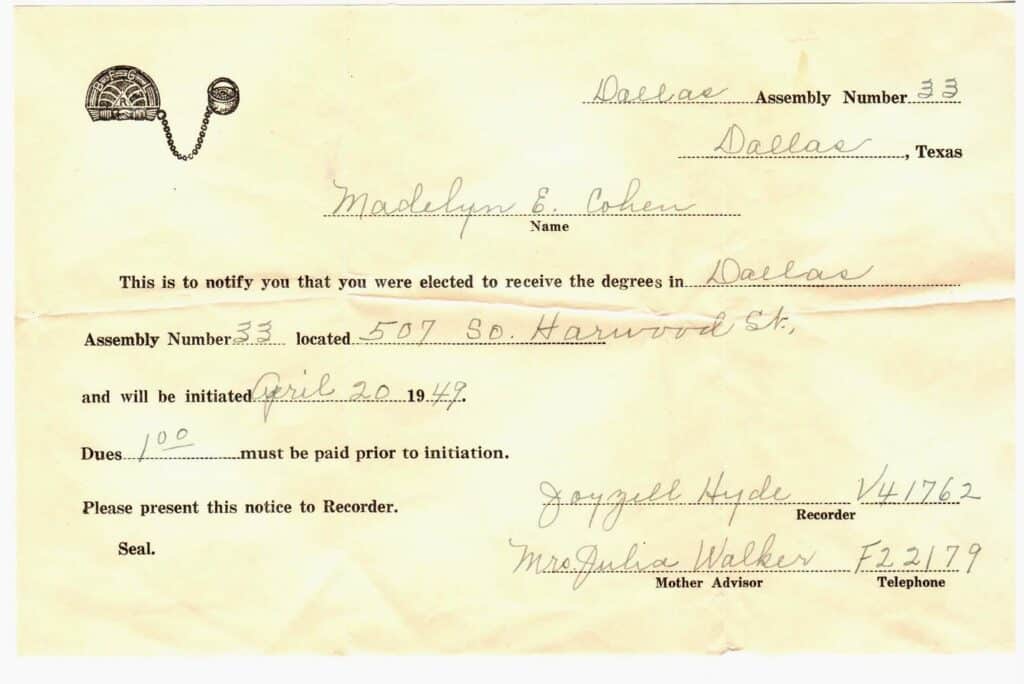
The Order of the Rainbow for Girls was founded by Reverend William Mark Sexson in McAlester, Oklahoma in April of 1922. “Rev. W Mark Sexson sought to develop an organization where young women could build self-confidence, respect, and leadership skills, all while serving their community. The organization promotes community service, as well as love and service to their schools, their homes and to each other” (Grand Assembly of Texas International Order of Rainbow for Girls).
The order of the Rainbow for Girls was introduced in Texas April 6, 1922 by Mrs. Daisy Cushing. “It was through her efforts and the Masons and Eastern Stars of Texas that Rainbow was accepted and approval was given to the Assemblies in their sponsorship” (Grand Assembly of Texas International Order of Rainbow for Girls). The first Texas chapter was instituted in Sherman, on July 10, 1922.
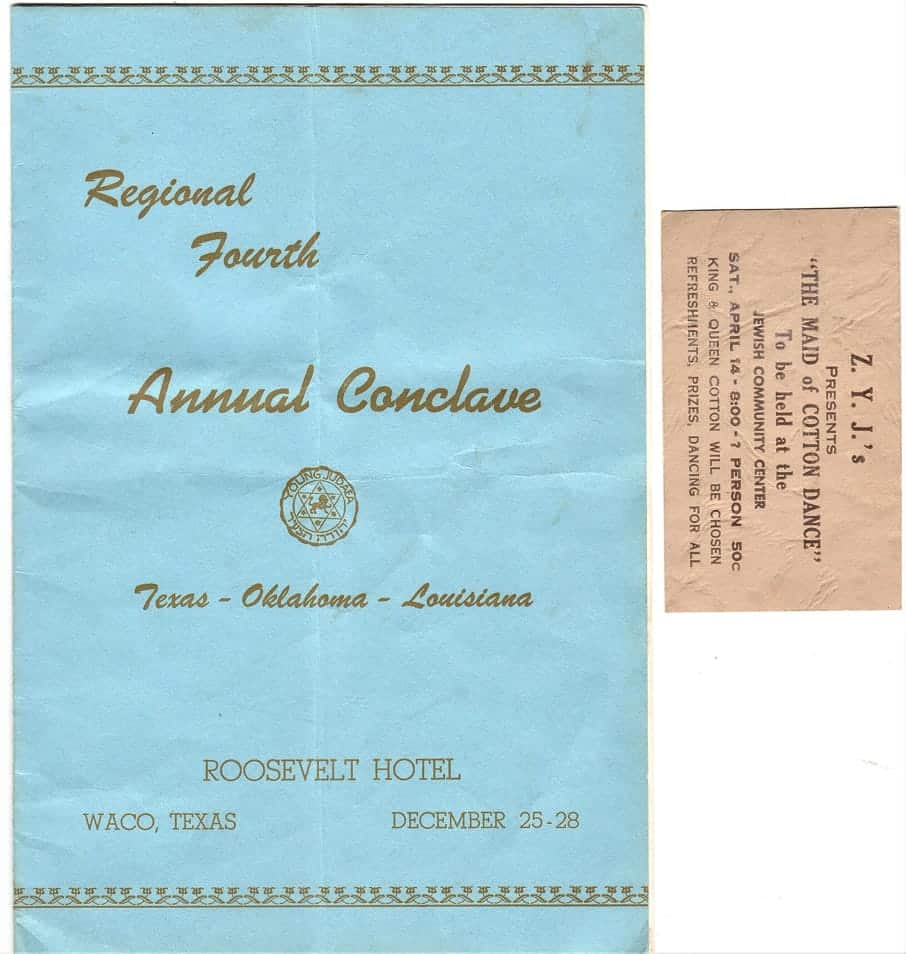
Young Judea
Created in 1909, the Young Judaea organization was made up of multiple Zionist clubs. “Young Judaea is America’s oldest Zionist youth movement, turning spirited Jewish youth of diverse backgrounds and orientations into engaged leaders and inspired activists with a life-long commitment to Israel, Jewish life and tikkun olam (repairing the world). Through immersive informal and experiential education, Young Judaea fosters a sense of value and love for Jewish tradition and ritual and pride in the Jewish people, Israel and being Jewish” (youngjudea.org).
Young Judaea promotes Jewish life and tradition with planned trips to Israel, summer camps, programs, activities, and conventions.
T.O.O. Club
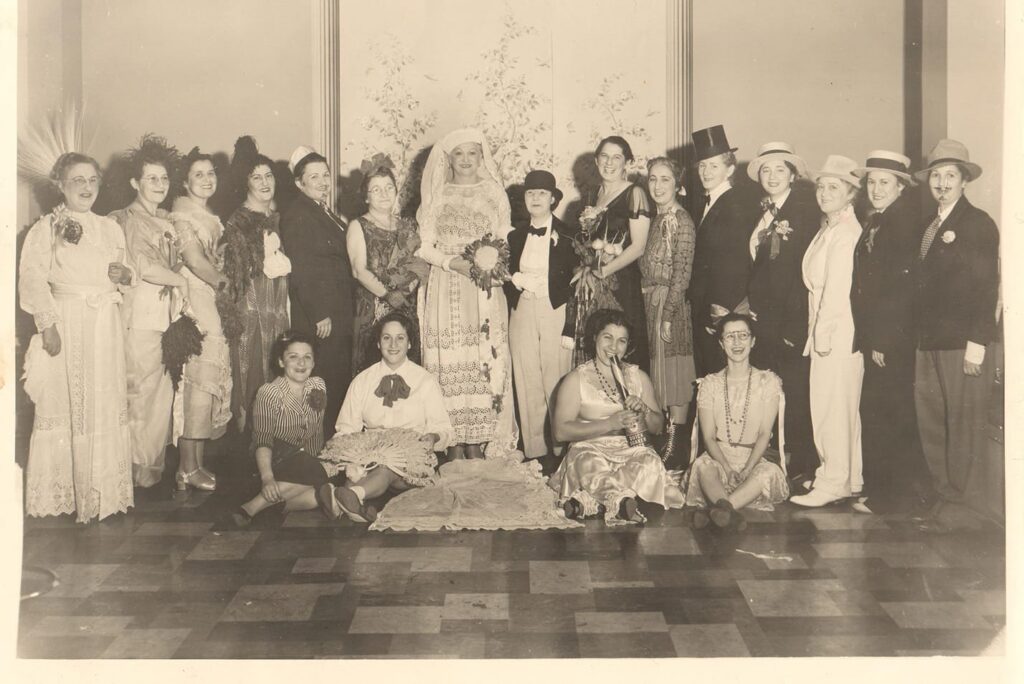
The T.O.O. Club was a social and athletic club for Jewish men and women in Dallas as early as 1920. They got together as a group and with other social clubs to have watermelon parties or play baseball or basketball games. These groups also worked for the good and welfare of the community. The Fort Worth group consistently raised funds for the Star Telegram Free Milk and Ice Fund. According to the Jewish Monitor on September 9, 1921, there were 21 young Jewish men in the T.O.O. Club. The articles written about these groups in the Jewish Monitor are lighthearted and fun.

The Shriners
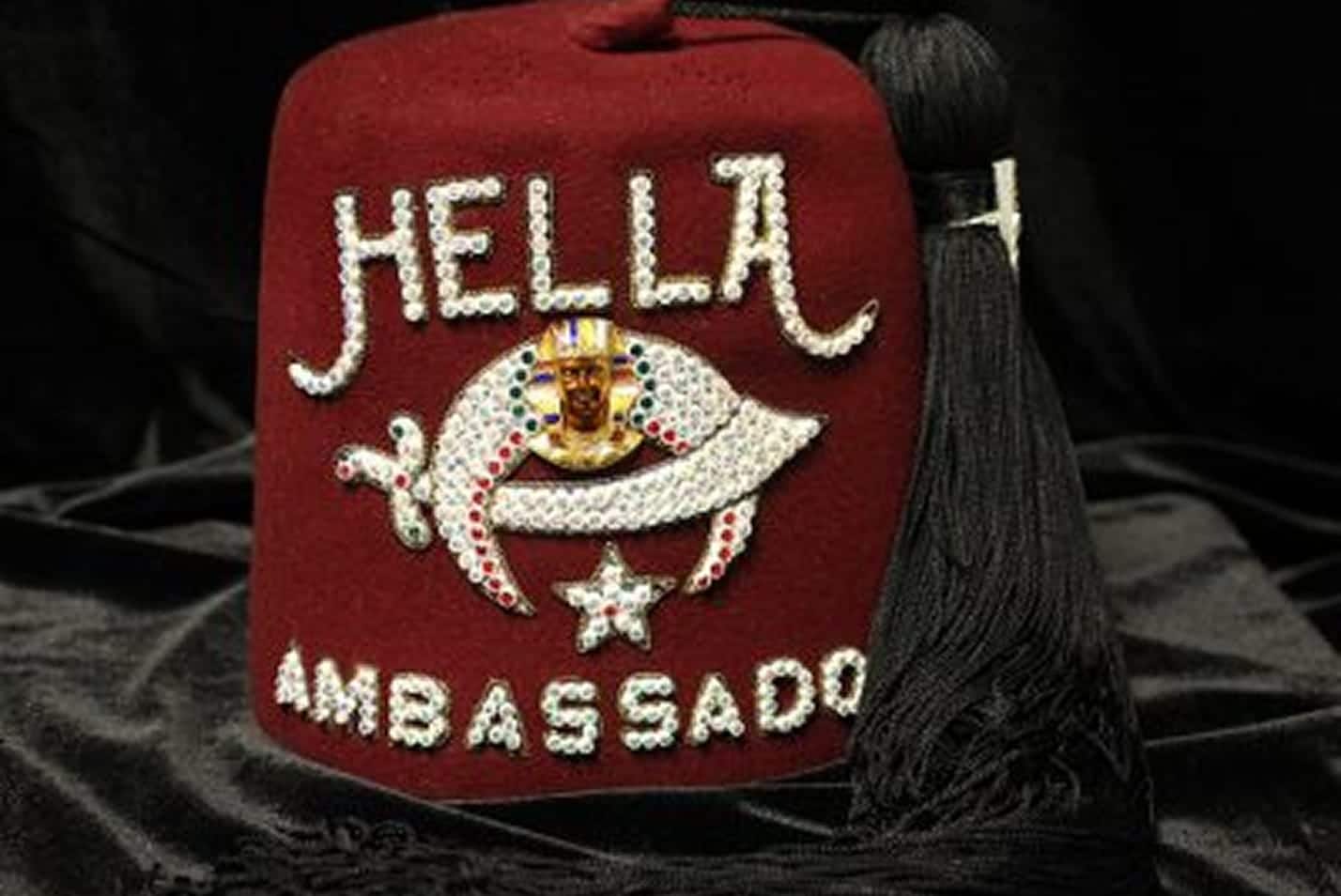
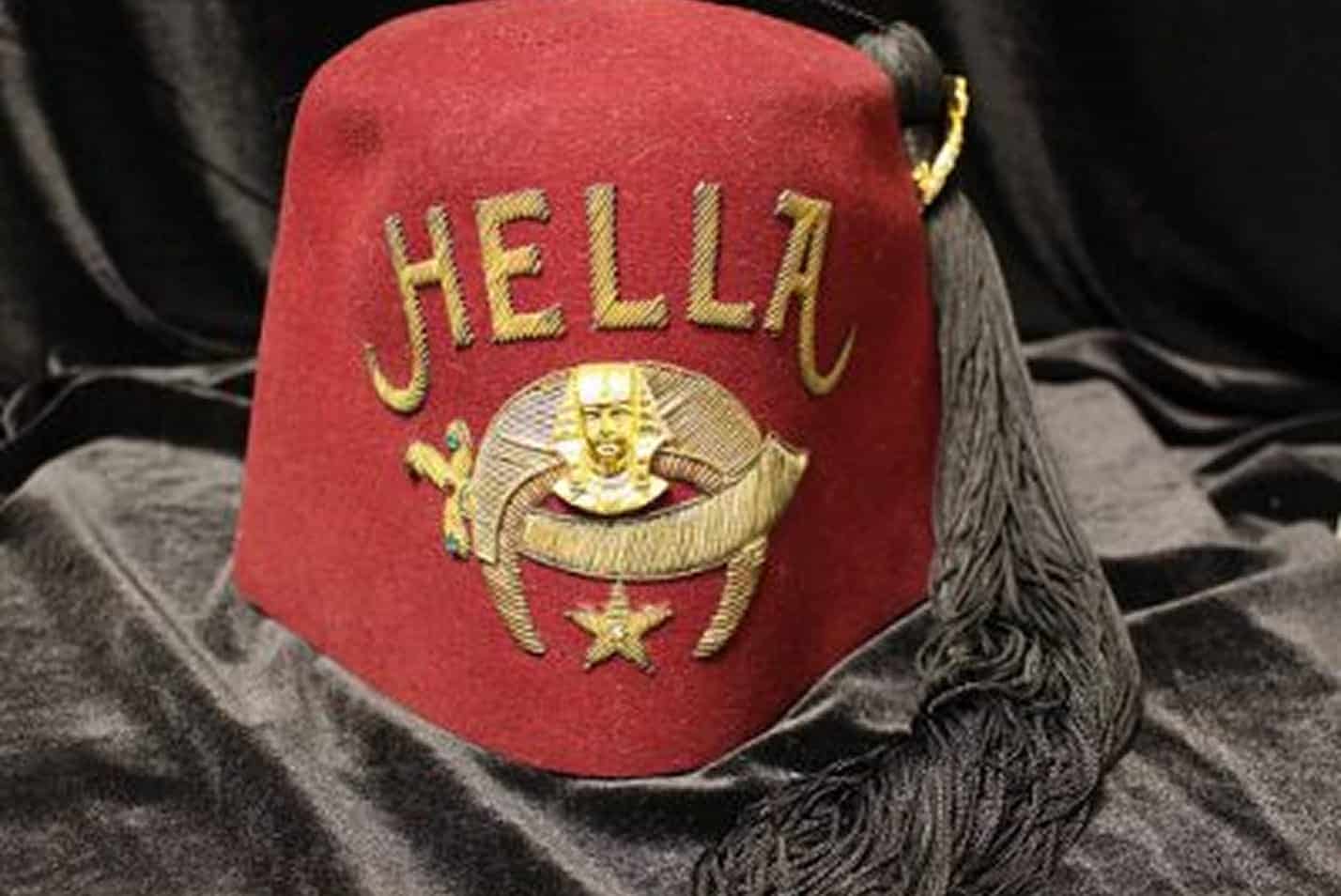
The first meeting of the Shriners happened in 1872 after a group of Masons from New York decided to create a new fraternity centered on fun and fellowship. According to the Shriners International web page history, their rituals and themes are based on a party given in France by an Arabian diplomat that was attended by a founding member. The Shriners circus and other fundraising events promote fun with a purpose, they support the Shriners Hospitals for Children.
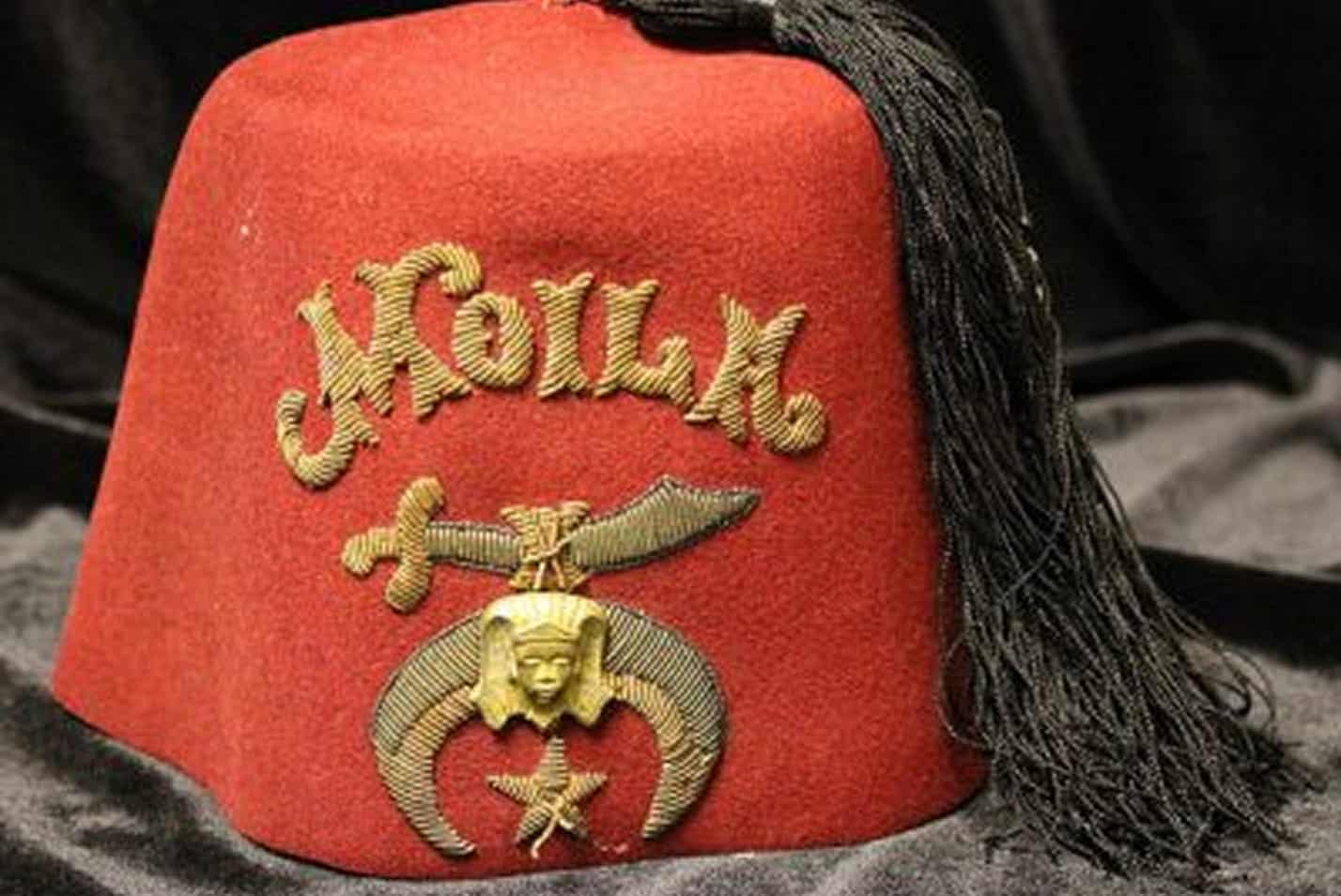
The crescent is two tiger claws held together by a keystone, the scimitar is connected in one of several ways either pushed through the keystone or attached by cable(s) or coiled rope. There is not an official style and there are differences from temple to temple. According to the Idiots Guide to Freemasonry by S Brent Morris there are more variations of the Shriner emblem than any other except the Mason square and compass. The Idiots Guide also references “The Golden Age of Fraternalism” from about 1870 to about 1920 and suggests that the Arabian theme of the Shriners was a way to poke fun at the formal dress and ritual of many other fraternal organizations including the Masons. It also suggests that the anti-Mason movements of the early 1800s helped to create the Golden Age by laying bare the Masons’ secrets which many copied both in ritual and emblem (p. 261, 264, 270 Google Books).
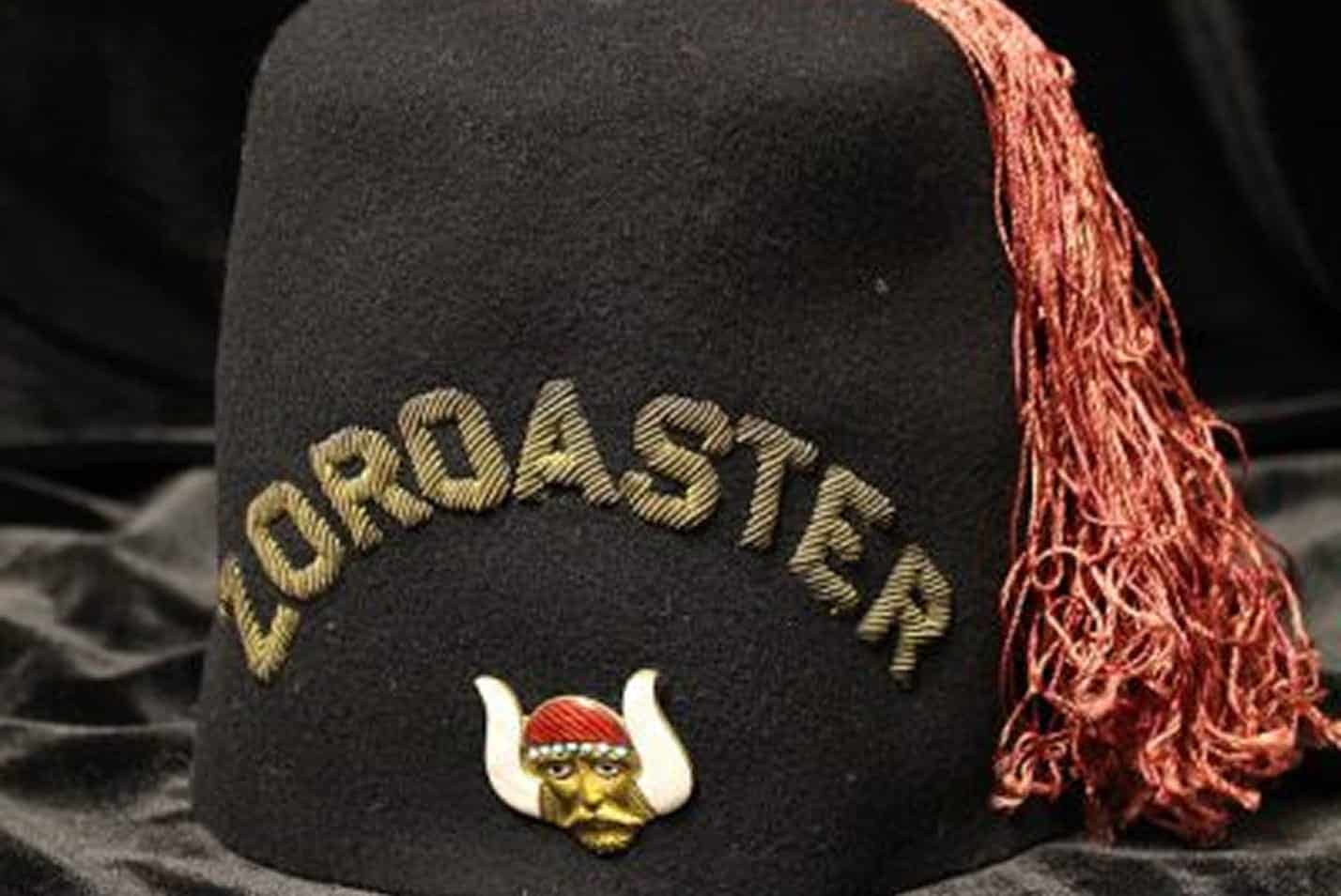
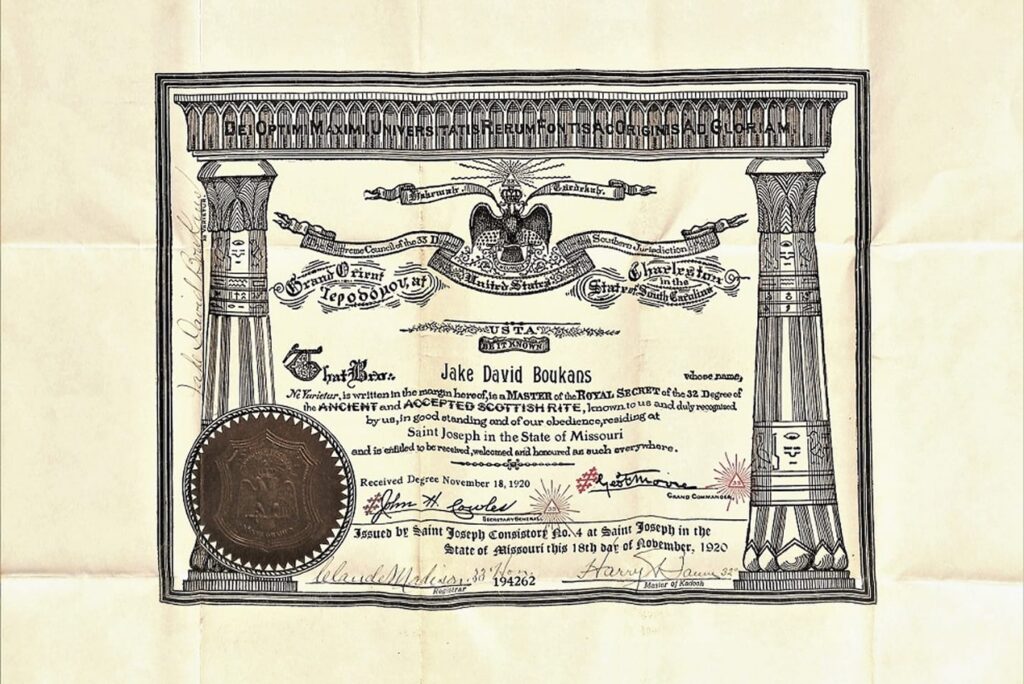
Some Shriners’ fezzes bear the name of the shrine with which the wearer is associated. For instance, “Hella” is the temple in Garland, TX, while “Moila” is a Shriner temple in St. Joseph, MO. Interestingly, “Zoroaster,” embroidered into a fez belonging to Jack David Boukanis, has never been a temple within the Shriners International Organization and likely denotes an unofficial local organization in Missouri or Oregon when Boukanis had lived prior to North Texas.
Overall, Jewish participation in groups such as the Shriners or the Freemasons was, and still is, uncommon. In Dallas, we have seen participation by Jewish businessmen in the early to mid-twentieth century—likely as a way to network. However, despite the amount of information available to the public and researchers today, there is still much that alludes under a shroud of secrecy.
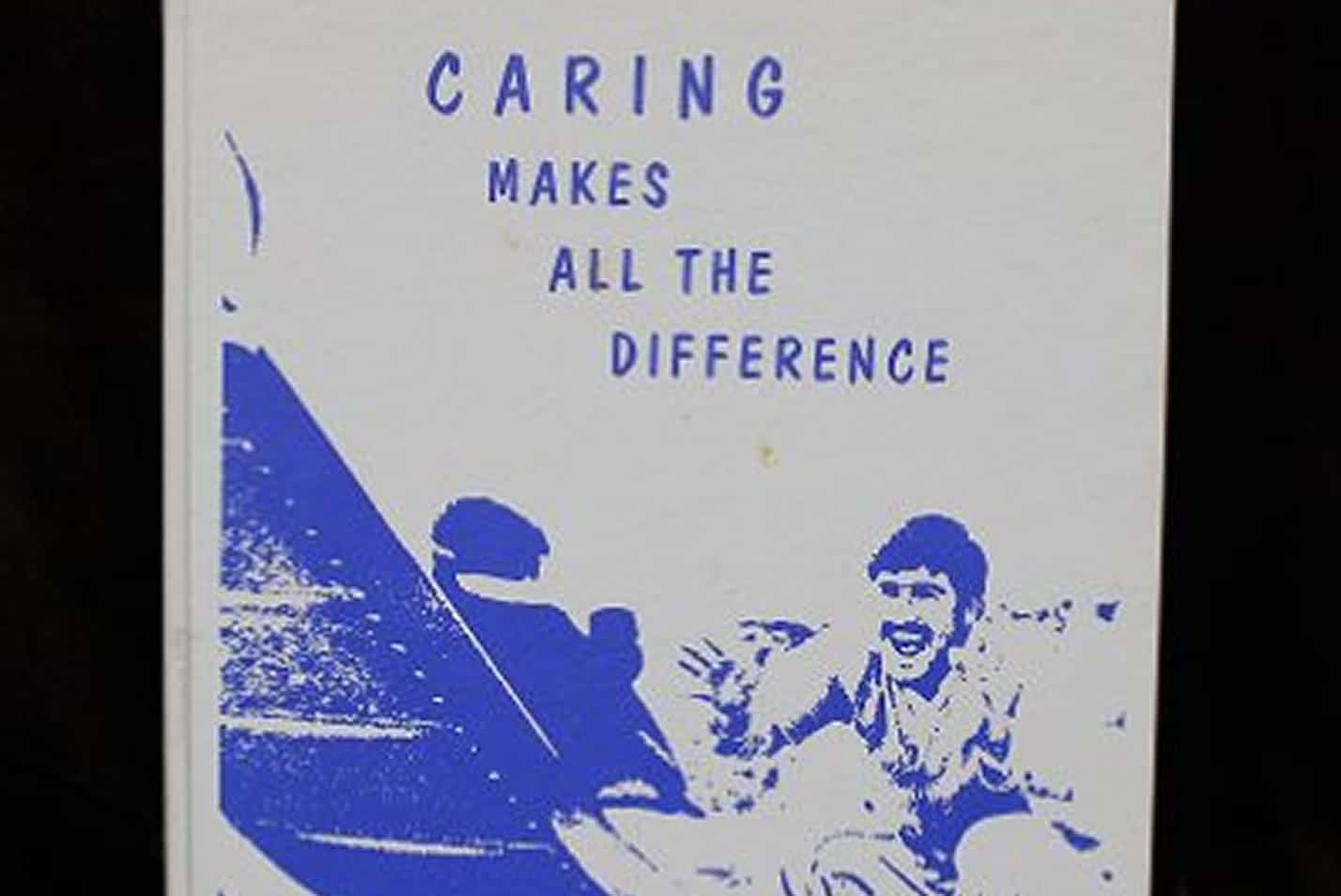
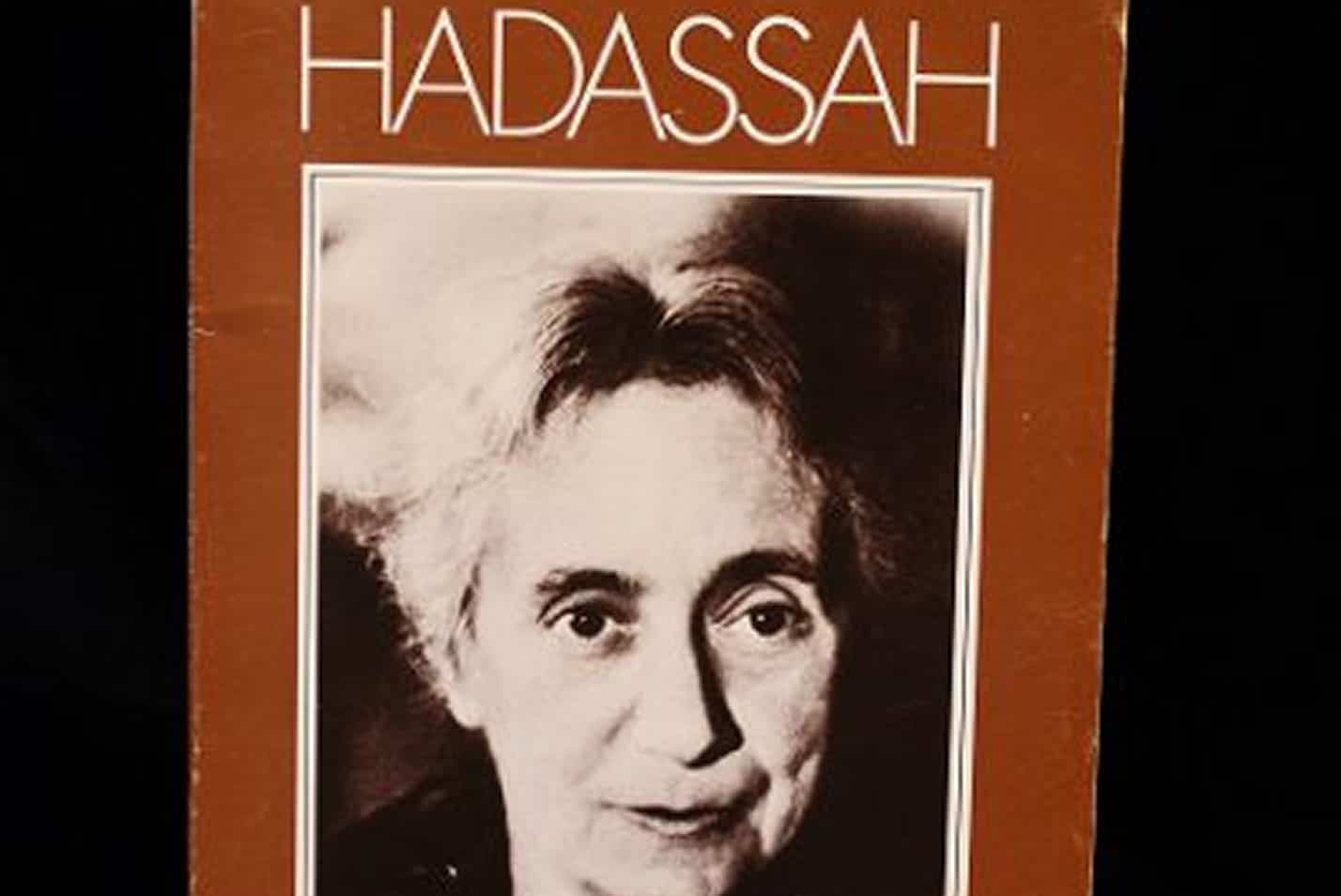
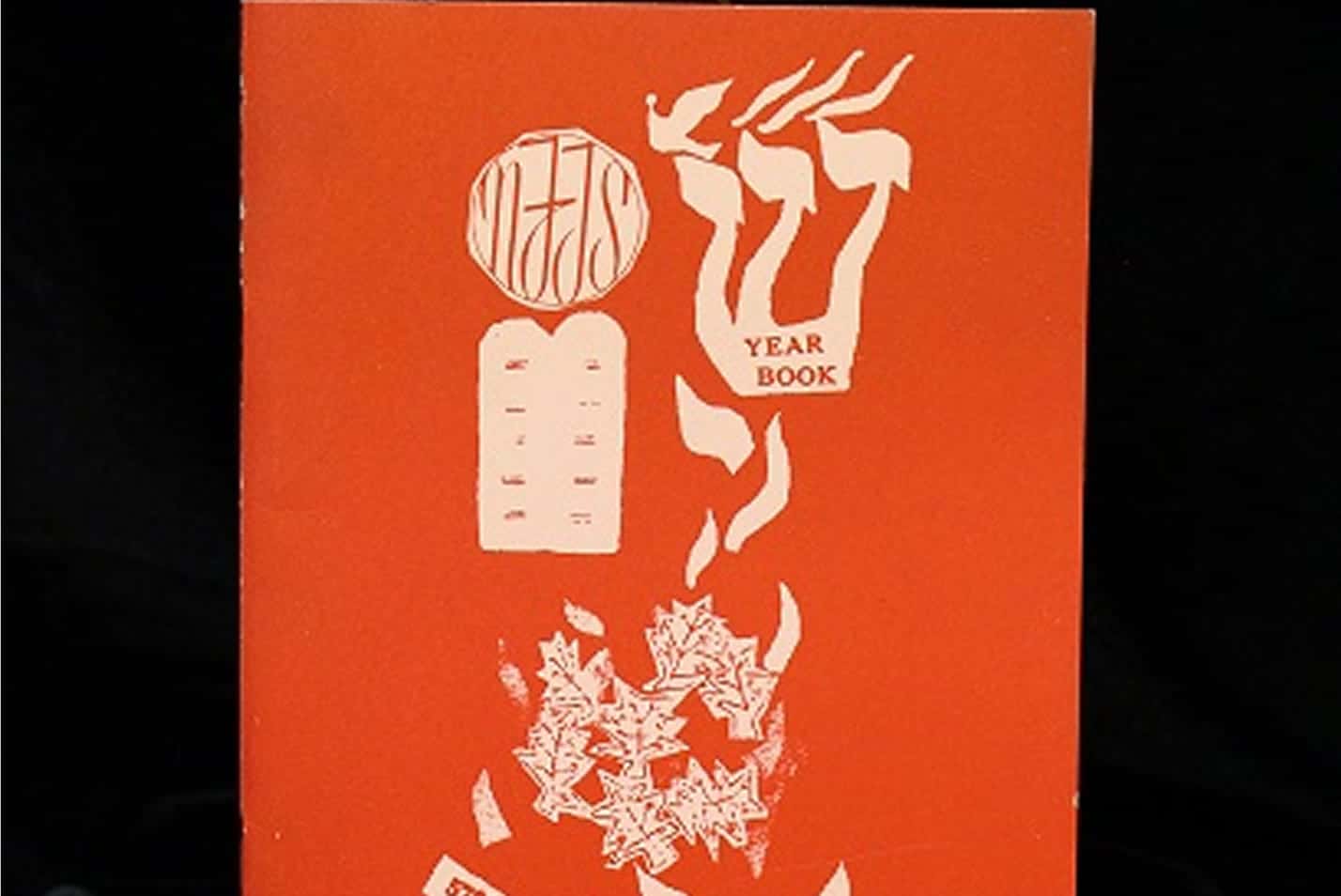
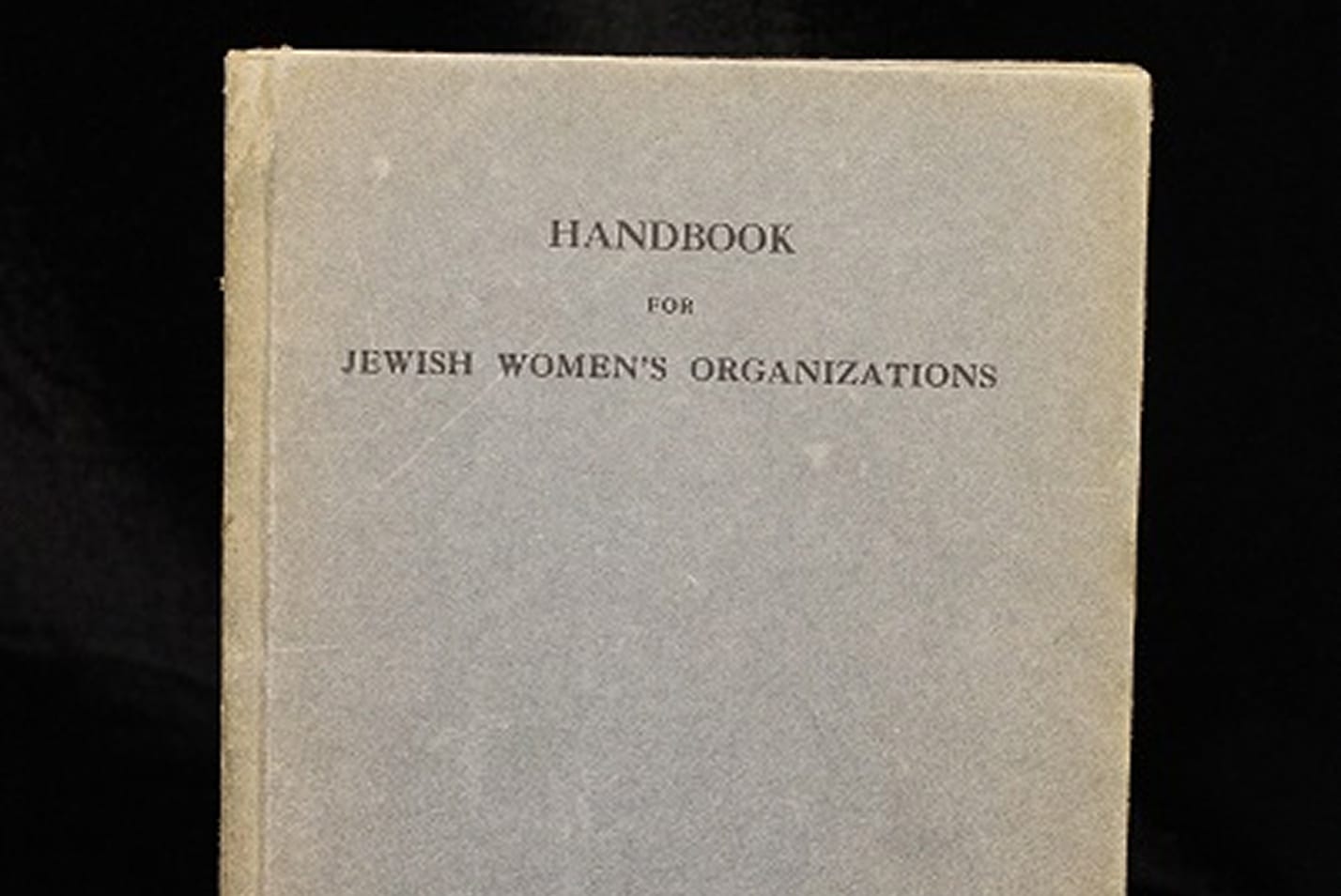
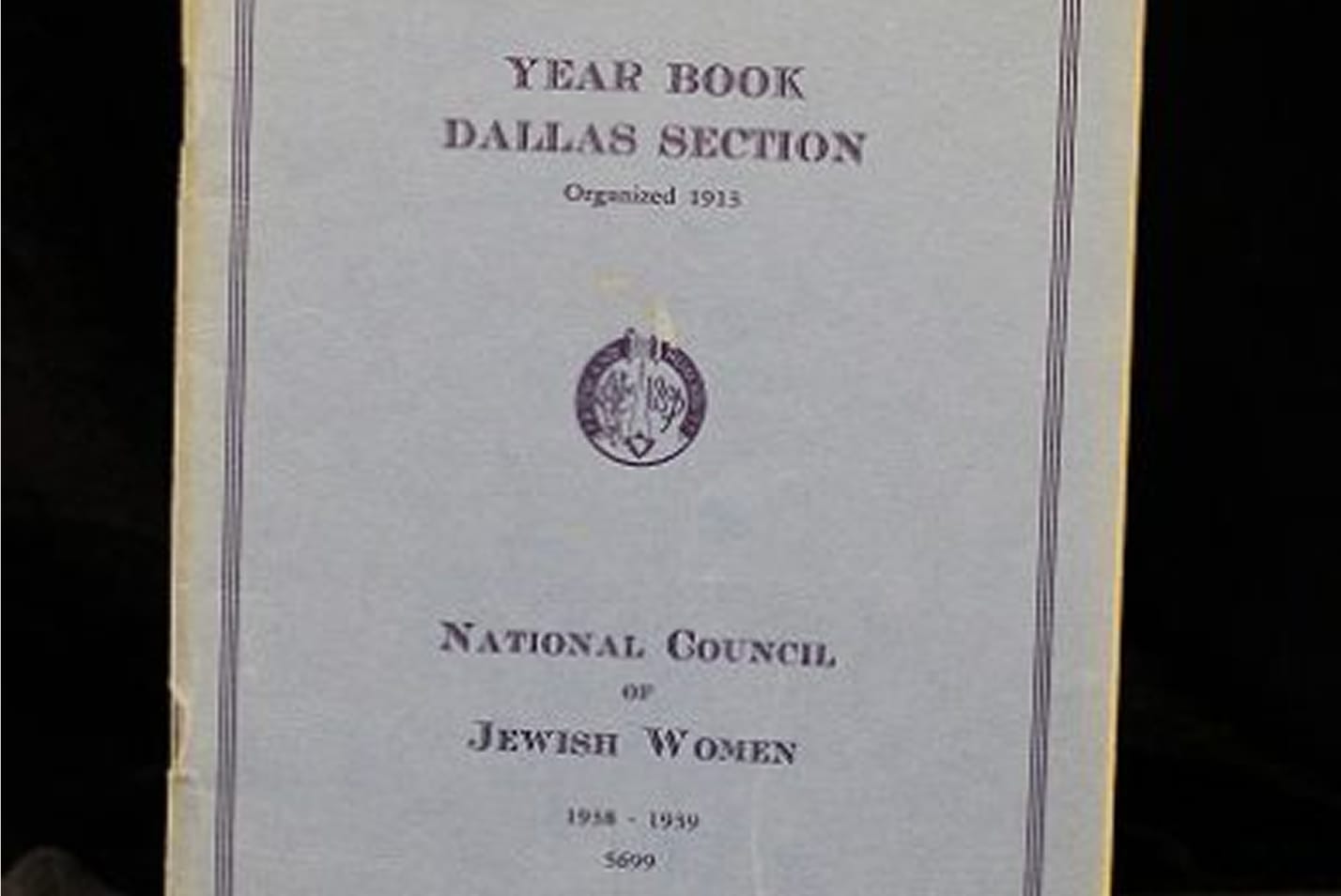
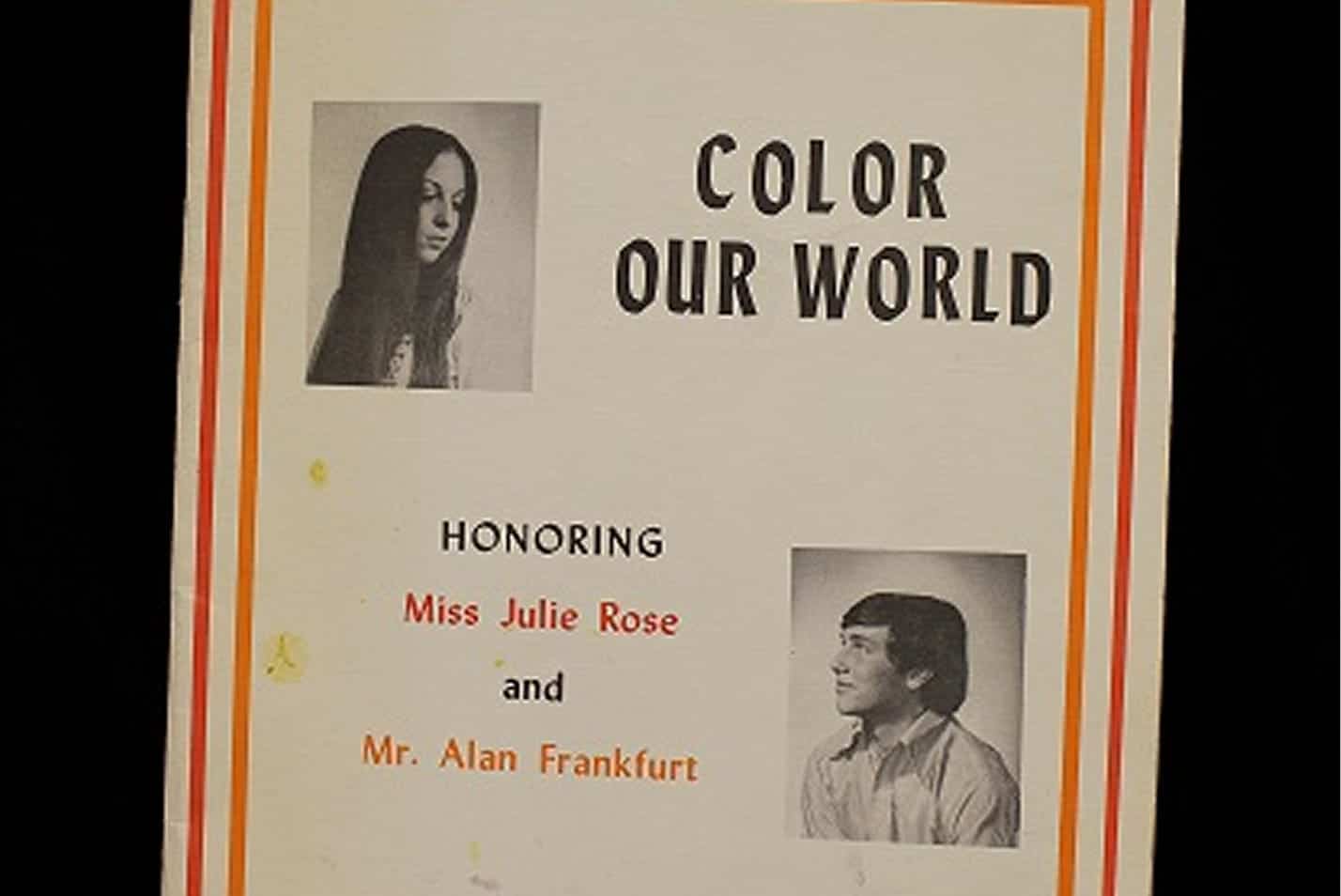
Many organizations publish a yearbook or directory to commemorate the previous year or to provide members with vital information for a defined period of time. Below you will find a selection of yearbooks from a variety of Dallas Jewish organizations including Hadassah, National Council of Jewish Women, and BBYO.